Next Meeting, 22nd July 2025

Our next meeting will be on Tuesday 22nd July 2025.  As usual, we will start playing shorter games from 7.30pm as people arrive, until 8pm when we will start something a little longer.  Following a recent change of hands, the pub has just started doing “basket meals”, so those that will be eating will be arriving from around 6.30pm.

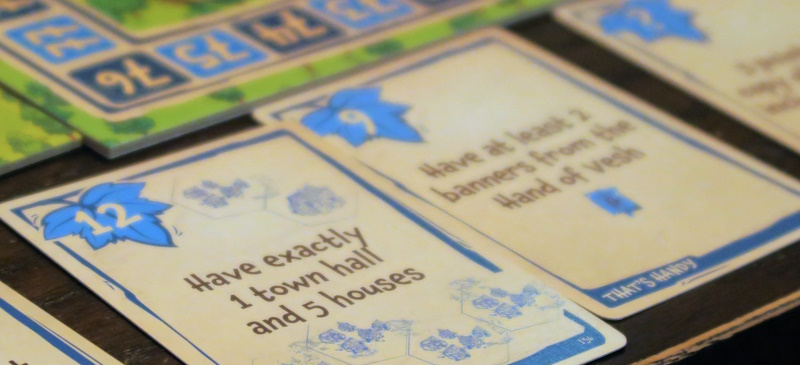
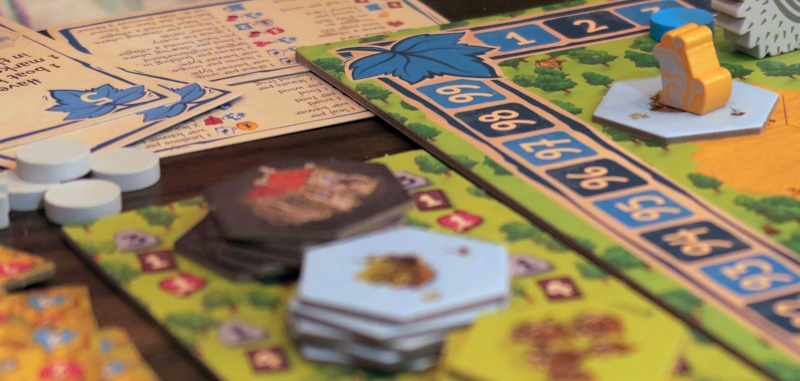
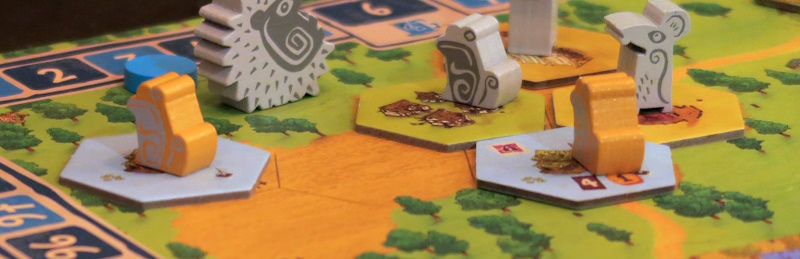
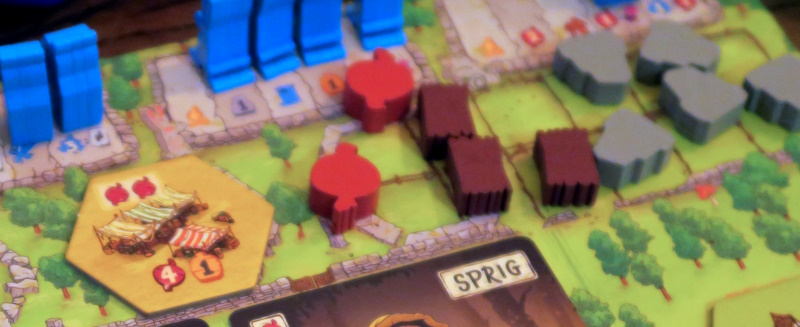
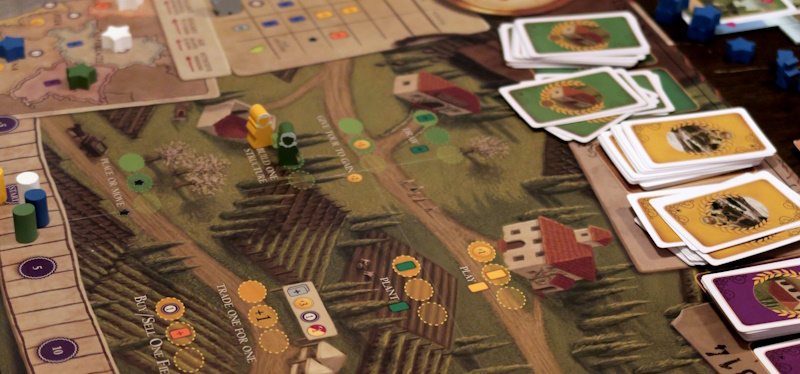
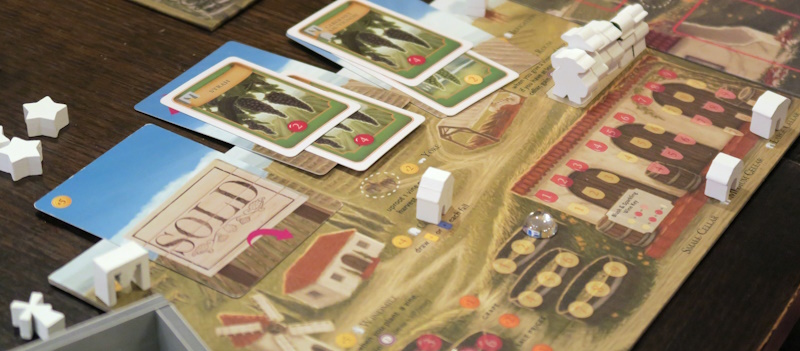
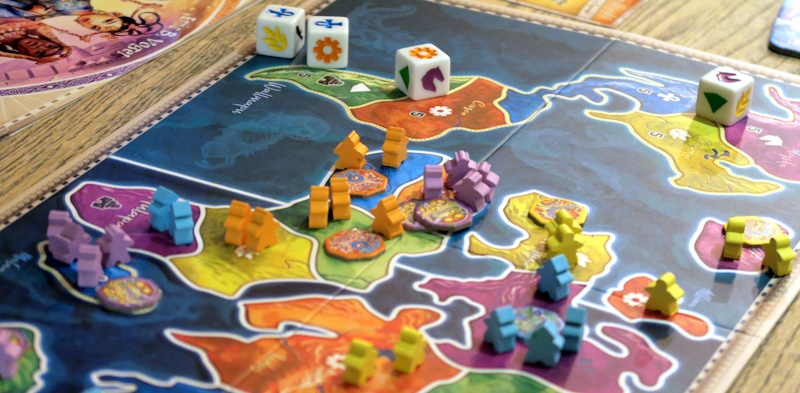
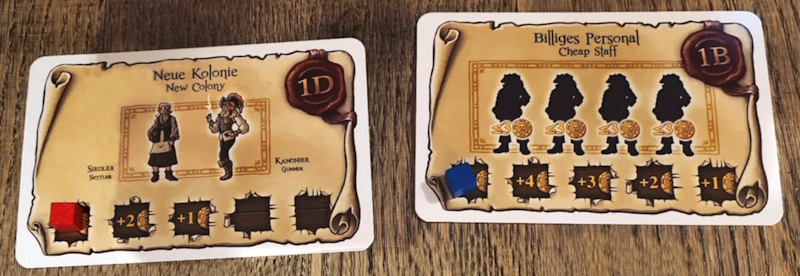
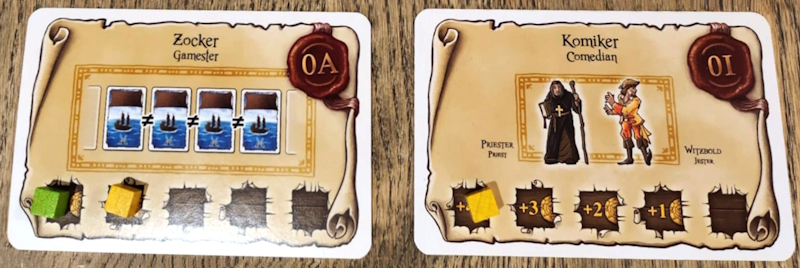
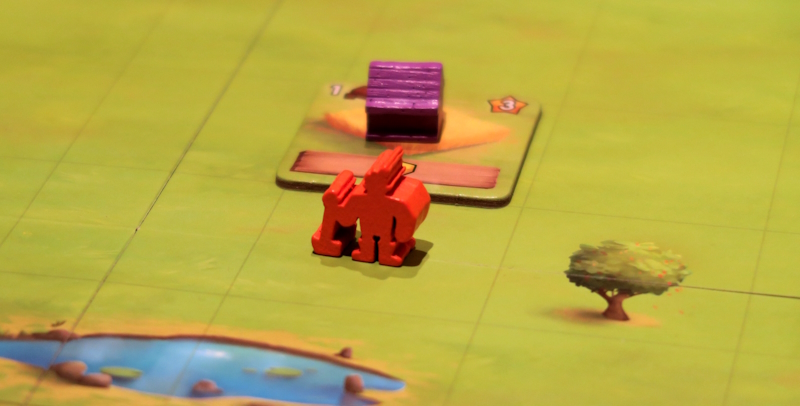
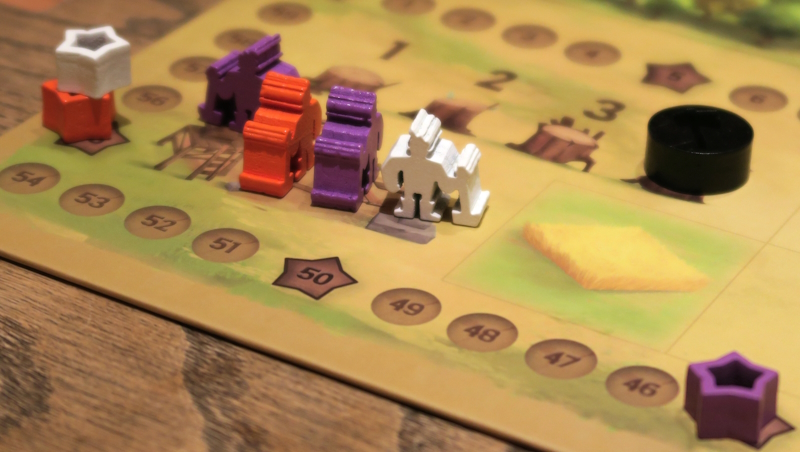
This week, to mark the announcement of the Spiel des Jahres winners, the “Feature Game” will be Looot (rules, review, how-to-play video).  This is a resource collection and management game where players take on the role of Vikings conquering new territory and building their village.

Looot
– Image by boardGOATS

And speaking of Vikings…

Jeff was working in a fancy-dress shop, so when he and his mates decided to form a disco pop band they each chose a costume. Jeff dressed up as Viking, Joe as a Caribbean pirate, Jim as a Mongol, Jon as a Bedouin raider, Jack as a Spanish conquistador.

The called themselves The Pillage People…

27th May 2025 (Report)

This week, Jade was proactive and quickly got a group together to play the “Feature Game“, which was to be Flip 7.  This is a quick, push-your-luck card game along the lines of Blackjack and recently won a Golden Geek award and received a nomination for the Spiel des Jahres.  The group have already played it a couple of times on a Tuesday, but we wanted to raise its profile and share it more widely amongst our people by making it the Feature Game.  The idea is really simple:  players turn over cards and gamble on not revealing the same number twice.  Unlike Blackjack, the game is played turn-wise, so the the dealer starts by dealing one card to each player.  Then players take it in turns to decide whether they want to “flip” or ” stick”.

Flip 7
– Image by boardGOATS

This mode of play is critical to the game’s popularity because it keeps everyone involved and the turns short. If players stick, they score the total of the face value of their cards.  There are a couple of other things that make the game tick, in particular the fact that each numbered card appears in the deck that number of times (i.e there is one one, two twos and so on).  Thus, the highest scoring cards are also the most risky.  Further driving push to gample, flipping over seven cards in a row gives fifteen bonus points.  There are also some action cards in the deck, “Flip Three”, “Freeze”, “Second Chance” and modifier cards which give extra points, all of which break the rhythm and add interest without adding significantly to the downtime.

Flip 7
– Image by boardGOATS

The game ends when players have reached the pre-agreed total (two hundred, according to the rules, though games can easily be made longer or shorter as desired).  This time, the group played the game as written, to a total of two hundred, which took seven rounds.  Sapphire  and Flint managed to go bust five and six and seven rounds respectively, though Flint did manage to push his luck to get seventy—the most in a single round.   Jade achieved a new low, however, failing to score at all.  The front runner was Teal, but going bust in the sixth round left the door open to Ruby who had been matching him step for step, scoring in every round and triggering the end of the game with her unsurpassed two-hundred and thirteen.

Flip 7
– Image by boardGOATS

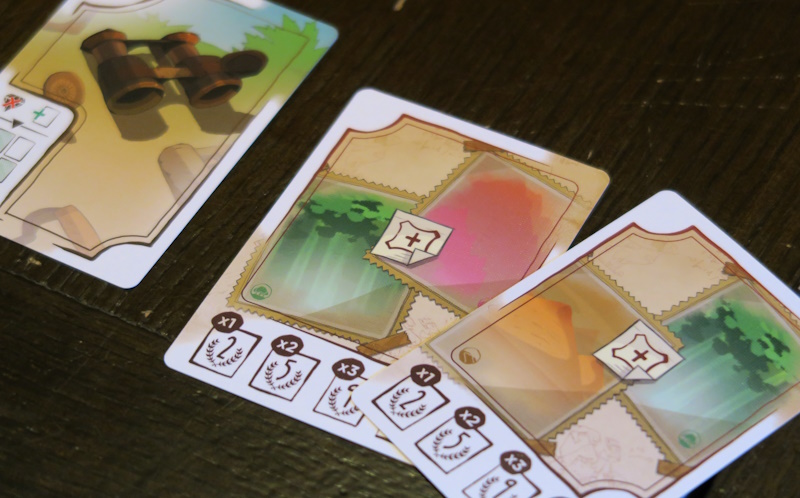
Everyone else was playing a longer game, so with six, that left the choice of another six player game or splitting into two groups of three.  The party feel of Flip 7 had got everyone in the mood for playing in a larger group, leaving a fairly limited choice, though there are a couple of really good options.  Bohnanza is one, but instead, the group chose Faraway—another game that received a Spiel des Jahres nomination this year, that we first played in the group over a year ago and has proved very popular since.  This is another relatively simple game, this time  with a market and a trick-taking type element, but with a really clever twist, and one that really messes with the head.

Faraway
– Image by boardGOATS

The story is that players are exploring the mysterious land of Alula in search of its secrets, meeting its inhabitants and listing its wonders in order to gain more fame than everyone else.  Players simultaneously chose one of the numbered cards from their hand to add to their tableau then, starting with the the player that played the lowest card (similar to 6 Nimmt! or Kingdomino), everyone takes it in turns to choose one from the market to add to their hand.  Players then simultaneously choose another card to play, and again, choose one to add to their hand.  The game ends after everyone has played a total of eight cards, and then everyone scores.

Faraway
– Image by boardGOATS

The scoring is the really clever part, because although the cards are played into tableaux from left to right, the scoring is from right to left.  At first glance, this looks like it makes things easy, because early in the game players find out what they need to get points and can then focus on getting the resources they need as the game progresses.  However, the desire to play scoring cards early is tensioned against card choice (the player who placed the lowest numbered card goes first) and the ability to get Sanctuary bonus cards.  Scoring cards are generally higher number and Sanctuary cards are gained when the card played has a higher value than the previous one in their tableau.

Faraway
– Image by boardGOATS

It is always hard to see how players are doing with this game, because if a player has played a high value scoring card early it can be worth a lot, but if the player fails to gain the necessary resources it can be worthless.  In the event, it was quite close with four of the six players scoring over sixty.  The winner, however, was Pink who got lucky early when he played card number fifty-nine first to start a map strategy and finished with five of them.  Sapphire was only two points behind in second though, and Teal two points behind that.

Faraway
– Image by boardGOATS

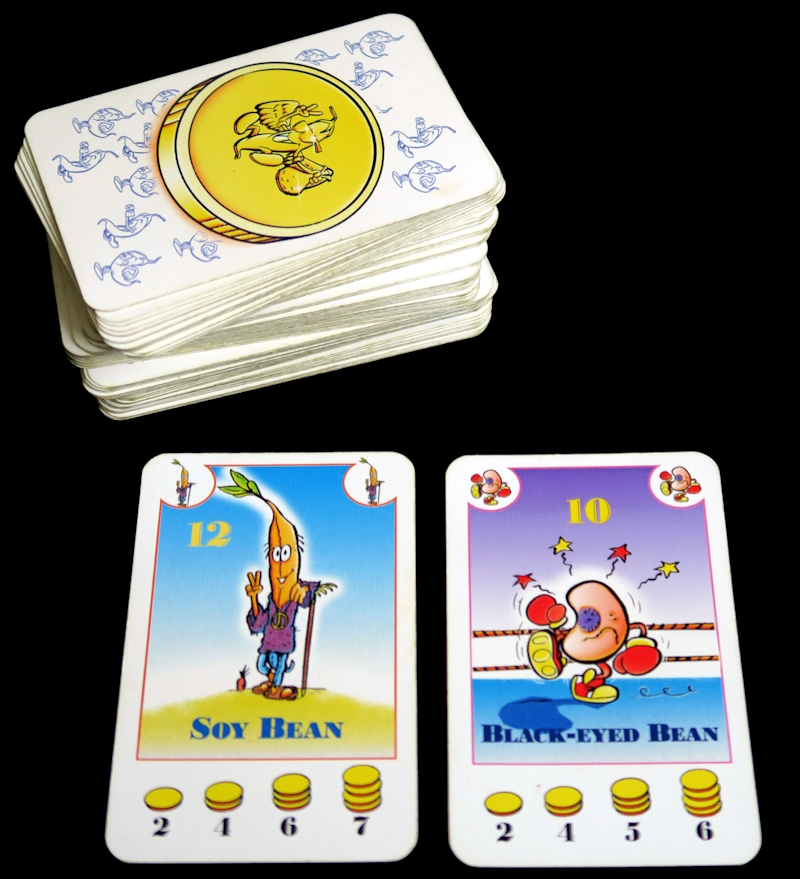
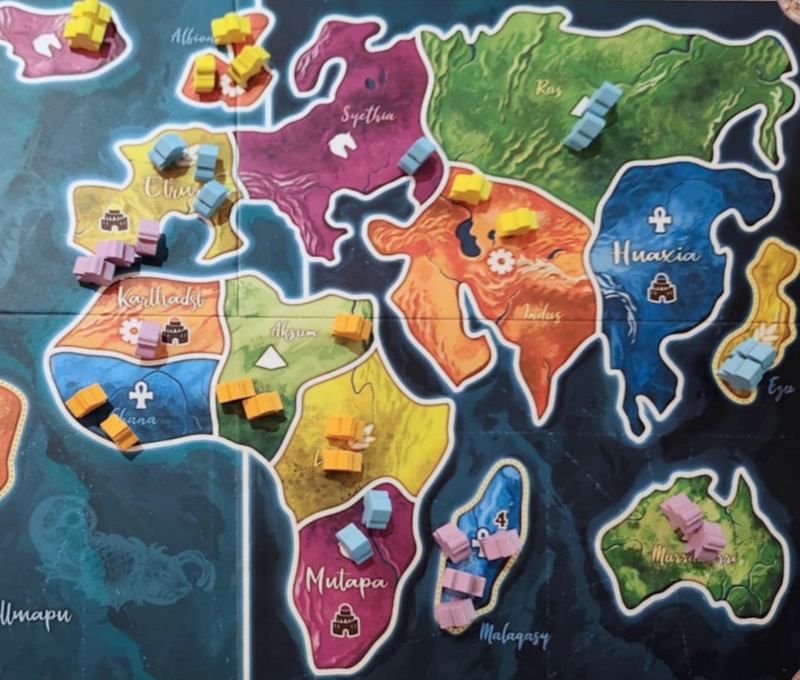
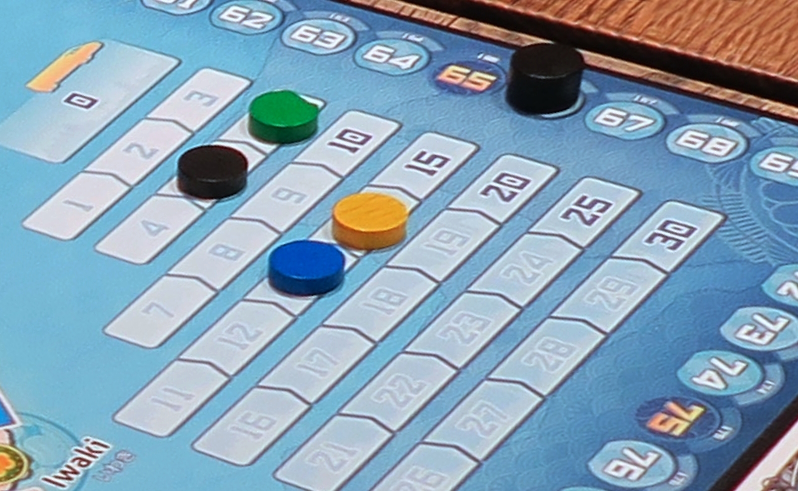
Meanwhile, on the other side of the room, Black and Purple were introducing Pine to Looot, another game that received a nomination, this time for Kennerspiel des Jahres, the “Expert” or “Connoisseur’s” game.  This is a game where players gather resources and capture buildings to develop their fjord, fill their Long Ships and complete buildings to rack up victory points. The player with the most riches is crowned Jarl of the Vikings.  The game is played over several rounds until each player has played all their Vikings, giving a maximum of thirteen turns.  In each, a player first places their Viking on a Resource tile on the central board adjacent to another Viking of any colour and takes the Resource and place it on their personal board.

Looot
– Image by boardGOATS

If possible, they then capture a Building and place that on their board, take a Long Ship and also place it on their board, use a Shield, complete a Construction Site and finally grab a Trophy.  At the end of the game, scoring is a bit of a point salad with points awarded for Castles, Watchtowers, Houses, Gold, Sheep, Trees, Construction Sites, any Trophies the player may have claimed and a five-point penalty for any unfilled Long Ships.  Purple raked in points for her Houses, Construction Sites and Trophies, while Black did better for his Watchtowers and Gold, and Pine top-scored for Trees.  The winner, however, was Purple whose total of ninety-one was five ahead of Black in second.

Looot
– Image by boardGOATS

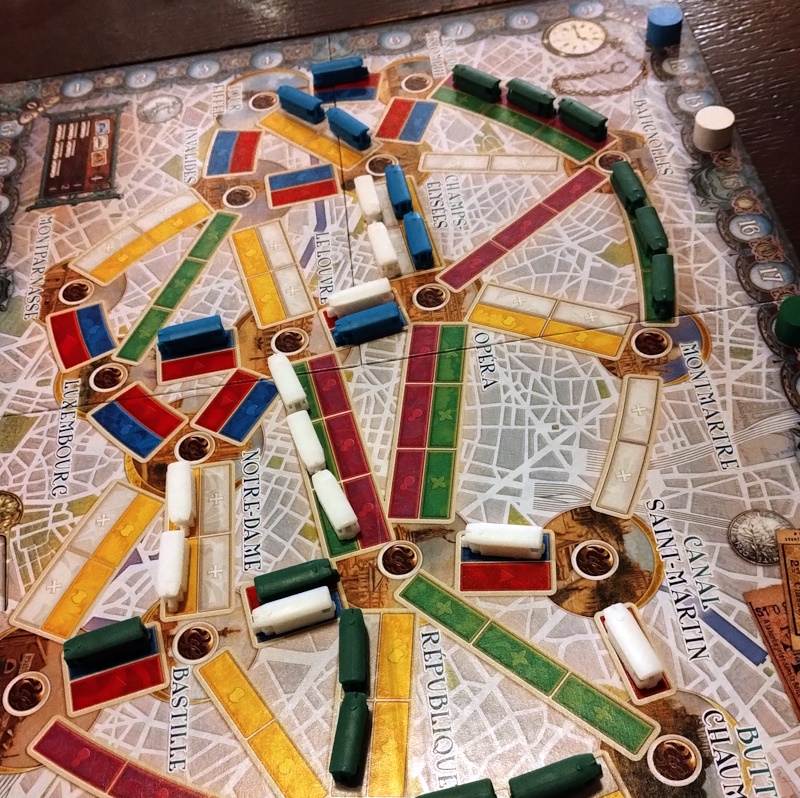
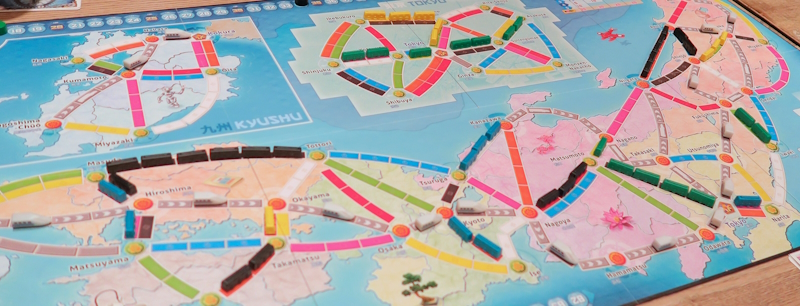
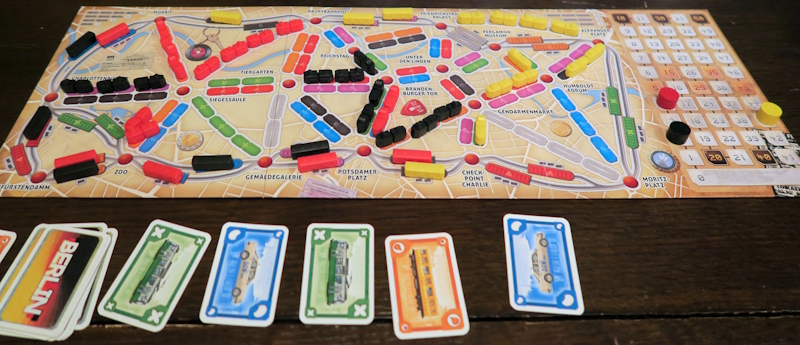
The trio followed this with a shorter game, the Paris version of the 2004 Spiel des Jahres winner, Ticket to Ride (aka Zug um Zug).  Like the original, game-play is very quick and simple:  players take it in turns to take Cards from the market, or spend them to place Trains on the map with the aim of completing Tickets.  Players score points for placing Trains and completing Tickets with penalties for any incomplete Tickets.  Each game variant has its own special rules.  In the case of Paris, when players score bonus points each time they complete a Tricolor: a set of blue, white, and red routes.  This time it was a very close game.  Pine had the most points collected during play (including Tricolors), but Black picked up more for his Tickets and edged it by a single point.

Ticket To Ride: Paris
– Image by boardGOATS

The final game of the night took all evening and was the only one that that has not had a nomination for the Spiel des Jahres, Century: A New World.  This is the final game in the Century Trilogy (preceded by Spice Road, Eastern Wonders), but as they all use some of the same components, Plum and Byzantium had managed to squeeze all three games into one box (with an extra set of cubes so two could be played at once).  In A New World, players are exploring the Americas at the dawn of the 16th century trading with local inhabitants, recording their findings, and hunting and gathering to survive.

Century: A New World
– Image by boardGOATS

The game uses the resource trading mechanisms (Collect, Upgrade and Exchange) found in the rest of the Century series, but instead of using cards as in Spice Road, this is combined with with a worker placement mechanism.  On their turn, players can either Work (place Workers) or Rest (retrieve Workers).  Workers can work at Locations that have neither an Exploration tile nor Workers of their own colour.  If a Location is vacant, they can activate it by placing the number or workers depicted on the space; if it is occupied, the current occupants must be evicted and returned home by placing one extra Worker.

Century: A New World
– Image by boardGOATS

There are four locations types, thee allow players to Collect, Upgrade and Exchange Resource cubes, while the fourth (Forts) allows them to use Resources to claim Points Cards and Bonus Tiles.  Players can only have a limited total number of Bonus Tiles, and can only claim the Points Card associated with the particular Fort.  These Cards are supposed to slide along a conveyor belt so that they move from one Location to another, but thanks to a rules malfunction, this time the didn’t until more than halfway through the game.  The game finishes when one player has their eighth Points Card, so it can end quite suddenly, as players can pick up cards quit quickly due to special powers.

Century: A New World
– Image by boardGOATS

These games are basically race games, and it felt like Byzantium had a good start with points from his Exploration tiles, the only one to have any.  However, as Plum built her engine, she galloped up on the rail, ultimately taking the most points from her Cards. She also took the most points from Bonus Tiles.  In such a tight game, left over resources were critical and they enabled Cobalt to leap-frog Byzantium into second.  Plum was the winner, though by just two points.  It had been fun, though Plum’s comment that she actually preferred the second of the trilogy meant Blue who had not played it would take the opportunity to grab a copy at the UK Games Expo Bring and Buy a couple of days later.

Century: A New World
– Image by boardGOATS

Learning Outcome:  The Spiel des Jahres Jury can spot a good game.

Spiel des Jahres Winners – 2025

Last weekend, this year’s Spiel des Jahres (German Game of the Year) winner was announced as Bomb Busters, by Hisashi Hayashi, the designer of Trains, MetroX (aka Voll Verplant), String Railway and Yokohama.  Based on the earlier Bomb Squad by the same designer, this is a cooperative, card driven game, where players work together to try to defuse a bomb before it explodes.  Players begin with a hand of numbered Wire cards (four each, numbered one to twelve) and then take turns pointing at each others’ wires and guessing their values.  Correct guesses lead to wires being cut, incorrect guesses and the detonator advances…

Bomb Busters
– Adapted from image by BGG contributor spiritraw

The winners of the Kinderspiel des Jahres (Children’s Game) and the Kennerspiel des Jahres (“Expert” or “Connoisseur’s” Game) were announced at the same time. The Kinderspiel des Jahres went to Topp die Torte!, which is a tile laying game by Wolfgang Warsch—a previous winner of the Kennerspiel de Jahres in 2018 with Die Quacksalber von Quedlinburg (aka The Quacks of Quedlinburg) and designer of The Mind, Ganz Schön Clever and Quacks & Co., all of which have received recognition from the jury in recent years.  This year, the Kennerspiel des Jahres award went to Endeavor: Deep Sea by New Zealand designers Carl de Visser and Jarratt Gray, a game where players explore the deep sea using the action mechanism from Endeavour: Age of Sail (and its predecessor Endeavor).

Endeavor: Deep Sea
– Image from kickstarter.com

Endeavor: Deep Sea can be played competitively or cooperatively with up to five players (using the Deluxe edition). This means that as last year, both the “senior awards” have gone to cooperative games.  Indeed, the last four Spiel des Jahres awards (Sky Team, Dorfromantic, MicroMacro and Just One) and three of the last five Kennerspiel awards (Paleo and The Crew as well as e-Mission/Daybreak) have gone to cooperative games.  This style of game is clearly very popular with families (where arguments are often best avoided), but can be less so with more traditional gamers who prefer a bit of competition.  As such, cooperative games very much have the “Marmite Factor”, but in such cases, the nominees and recommended lists cater for every taste, with games like Looot, Castle Combo, Faraway and Flip 7.

Bomb Busters
– Image from spiel-des-jahres.de

Next Meeting, 8th July 2025

Our next meeting will be on Tuesday 8th July 2025.  As usual, we will start playing shorter games from 7.30pm as people arrive, until 8pm when we will start something a little longer.  Due to a recent change of hands, the pub is NOT doing food at the moment.

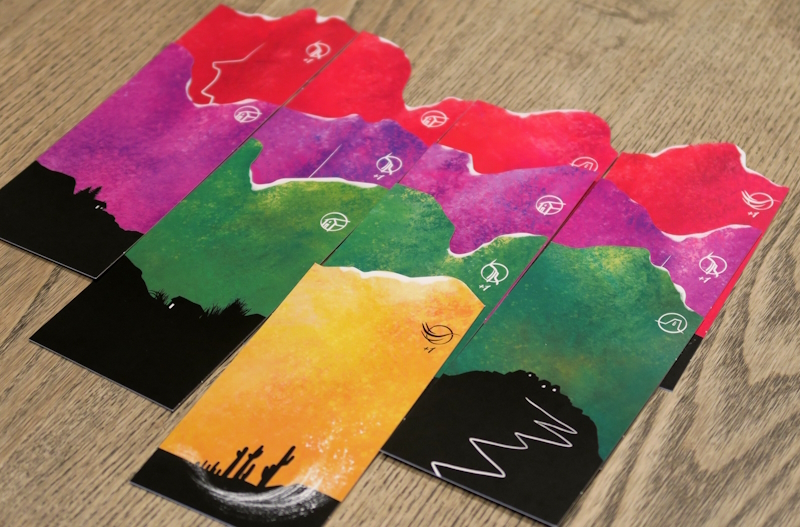
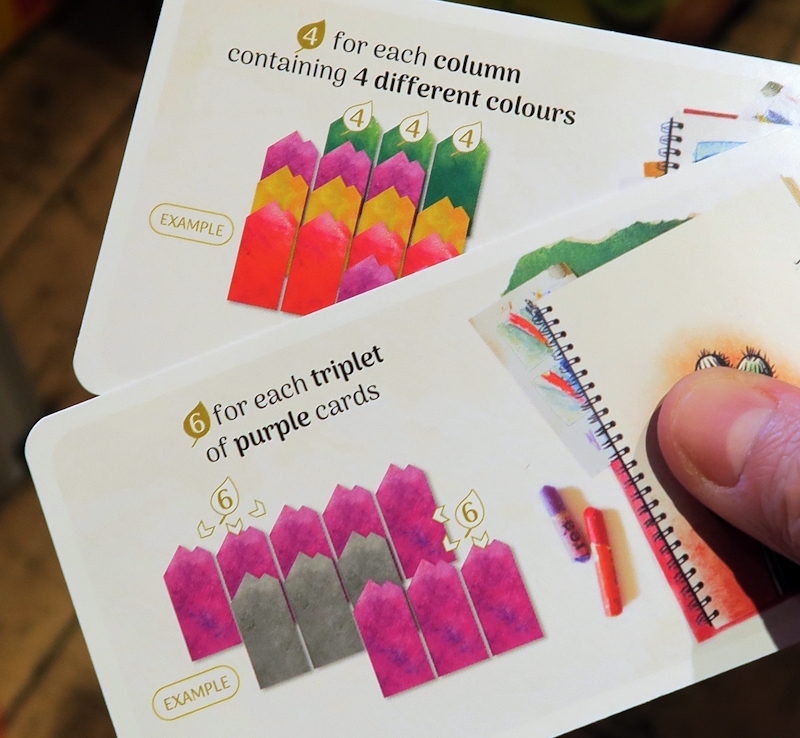
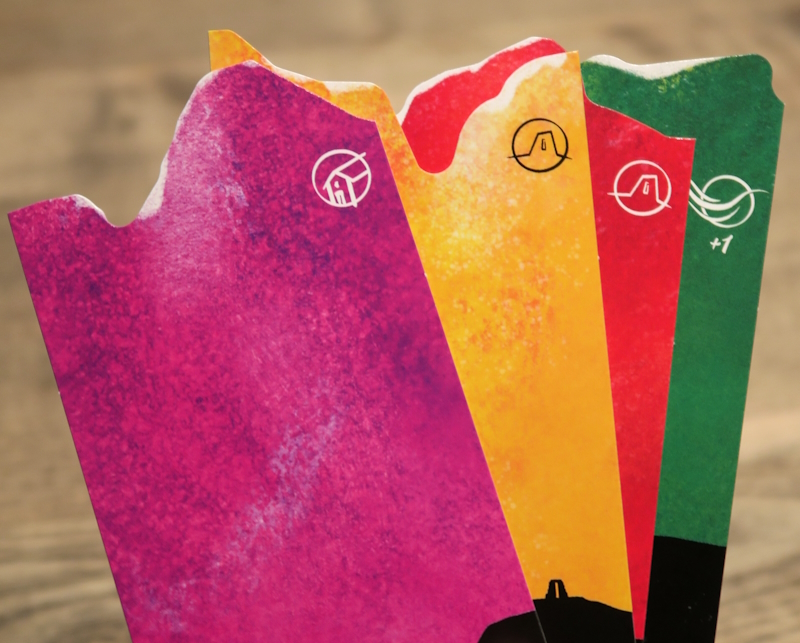
This week, the “Feature Game” will be the the shiny new game, Emberleaf (rules, rules summary, short review, three minute overview video, longer how-to-play video).  This is a “card dancing” (explanation video) and tile placement game from the same stable as The Isle of Cats.

Emberleaf
– Image from kickstarter.com, adapted by boardGOATS

And speaking of dancing…

Jeff and Joe were at the village festival watching the dog show.  Unusually, as well as the usual categories of “waggiest tail” and “cutest puppy”, there was also “best dancer”.  Thinking he might be in with a chance, Jeff entered his three-legged spaniel puppy, Elvis.

Joe was was a bit puzzled as Elvis was really a very happy dog and really quite cute.  So he asked, “Jeff, why did you choose to enter Elvis in the “best dancer” category, when he’s such a waggy dog and really very cute.  With his, um, “impairment”, surely he’d be in with a better chance in one of the other categories?”

“Nah,” replied Jeff, “He’s gonna win the dancing category, because all the other dogs have two left feet…”

13th May 2025 (Report)

For some, the evening began early with fish and chips in the garden to mark a special visit from Plum’s Aunt Damson.  The evening took an even more special turn as it was the day before Pine’s Big Birthday, so there was cake.  Green also put in one of his special appearances, bringing his mum, Saffron, with him.  Salmon came for the second time, and lastly, Orange, who had acquired a motorbike and was therefore now able to travel, also came for the first time in about eighteen months.  So with all these extras as well as the usual suspects, the room was packed and the group split into four with Jade leading the “Feature Game” which was to be Moon, a card drafting game where players construct bases, vying to build the new lunar capital.

Moon
– Image by boardGOATS

Moon is played over three rounds or Eras, collectively representing the first hundred years of populating the Moon.  Each Era is divided into three parts:  first players produce Resources, Rovers and Hearts from their Settlements.  Then comes the drafting where players choose a card from their hand to Build or discard, then pass their hand to the next player, repeating until there are no cards left.  Finally, players claim the Hearts on the central Flag Reward Board, and score any Hearts placed on their Structures and Reputation Cards.  At the start of the drafting phase, each player has one Expedition cards while the rest of the cards are Structure cards—this hand of cards represents an expedition from Earth that travels between settlements on the Moon.

Moon
– Image by boardGOATS

Unlike most card-drafting games, turns are taken sequentially with, players a Structure card from their hand and placing it in their Settlement paying any Resources and making sure any Flag Requirements are fulfilled.  Alternatively, instead of playing a card, they can discard (or “Assimilate”) a card, taking the Resources, Rovers or Hearts depicted in the discard line.  There are also four optional actions that players can carry out once each in any order before or after their mandatory action (Building or Assimilating)—use the Bonus Action on their Expedition Card; park a Rover; claim a Reputation card, or turn over a pink Action card.

Moon
– Image by boardGOATS

Once all players have taken their turn, all players pass their hands (including the Expedition card) to the player seated to their left and the player who now has the First Expedition Card starts the next round.  There are some similarities with Terraforming Mars, with cards having “Flags” (akin to the “Tags”), with some cards needing some Flags as a prerequisite while others display and therefore provide them.  There are five different Flags, Industry, Science, Food, Housing, and Transportation.  There are also four different types of Resource, Energy, Water, Biomass and Metal which are represented by wooden tokens, or Resource-eeples.

Moon
– Image by boardGOATS

The guts of the game are the cards—there are five different types:  blue Production cards, yellow Flag cards, pink Ability cards, grey Excitement cards and red Special cards.  Blue and yellow Structure cards also display a Rover parking space.  Players begin the game with two Rover-eeples, but can acquire more during the game.  Players can park Rovers on other players’ Structures to either use the card to immediately gain its Resources (blue) or use the Flags on it to fulfill a Flag Requirement when Building (yellow). Pink Ability cards provide an ability players can use once per Era by flipping the card while grey Excitement cards provide Hearts, which are victory points—some of these just give points at the end of the game while others give Hearts during the game.

Moon
– Image by boardGOATS

There was some hilarity over the card names, especially when Orange built a Toilet right next to his food van, Just in case!  Jade who was the most familiar with the game, took an early lead in the Hearts and finished with what appeared at first glance to be an unassailable lead with fifty-six of them, fifteen more than anyone else.  There are other scoring opportunities however, with points available for Grey Structures and Reputation Cards, and Jade came off worst for both of these.  Black picked up the most points for his Grey Structures with thirty followed by Pine with twenty-seven.  Scores were much lower for Reputation with Black, Sapphire and Pine with a similar tally.  In the end, it was very close, but the victory was Sapphire with a combined total of seventy-nine, just two more than Black in second, with Jade completing the podium.

Moon
– Image by boardGOATS

On the next table, Ivory and Byzantium were introducing Salmon to Brass: Birmingham.  There was a concern after last time that they might be a bit pushed to finish it in time (especially after last time), but with only three and with Birmingham being quicker to play than the original Lancashire version, they felt it was worth a go.  Ivory explained the rules while Byzantium set up the board.  In both games, players develop, build and establish their industries and network in an effort to exploit low or high market demands.  Players take turns according to the turn order track, paying two cards (from their hand of eight) to take any two actions from a possible six: Build, Network, Develop, Sell (cotton, manufactured goods or pottery), Borrow, and Scout.

Brass: Birmingham
– Image by boardGOATS

Building involves paying the required resources to place an industry tile while Networking is placing a Rail or Canal Link.  When Developing, players increase the point value of an industry, while Borrowing involves taking a £30 loan and a reduction in income.  The Scout action is new to the Birmingham game and replaces the Double Action Build in original, instead discarding three cards and taking a wild location and wild industry card.  Played in two halves, when the deck runs out players score, remove all the Canal Links then play on but this time building Rails.  The game ends when the deck runs out for the second time.

Brass: Birmingham
– Image by boardGOATS

Ivory went first.  Due to Shrewsbury accepting all goods (this was randomly determined as part of set up) and selling goods being critical to scoring points, initially everyone focused on building near there and building industries that gave resources (i.e. coal and iron) that were going to be need to build further industries.  So Ivory, who went first began by building a Coal Mine in Coalbrookdale, while Byzantium added an Iron Works at the same location and Salmon placed a Coal Mine next door in Wolverhampton. At the start it looked like all three would all be competing in the same area, but once they continued building their networks (via Canals) and more industries, everyone started to spread out.  Ivory headed south, building Cotton Mills in Kidderminster and Worcester and was the first player to Sell, Selling to Shrewsbury and gaining four points for consuming Beer there (Beer being a prerequisite to Selling) and filling the tile to increase his income.

Brass: Birmingham
– Image by boardGOATS

Byzantium went north and sold Cotton to Warrington, gaining £5 as his “Beer Bonus”, and increased his income. Seeing the opportunity Byzantium was building, Ivory took the opportunity using a Leek card he had which allowed him to build outside his network, to build a Cotton Mill in Leek and immediately Selling, using the remaining Beer there to also gain £5. Salmon went more central (Cannok and Walsall), focusing on Coal Mines and Iron Works, but as no one was consuming the resources (both Byzantium and Ivory were slightly self-sufficient), he was unable to flip his industries and increase his income. This became a major issue for him as the game progressed. Everyone ran out of money quite quickly and were forced to take out Loans, decreasing their income making it negative so that they had to pay money to the bank at the end of each round.

Brass: Birmingham
– Image by boardGOATS

Whereas Byzantium and Ivory promptly Sold some Goods, flipped tiles and increased their  income so it was positive again, Salmon got caught in a debt trap, having to take further Loans to take actions and service his debt. When required to take a third Loan (and then pay £9 each in upkeep), it was agreed that he should take the Loan without the drop in income, allowing him to take actions and sell goods and ultimately get back to a positive income. After a late era focus on breweries to get the Beer to Sell further goods, cotton and in Byzantium’s case, Pottery, the Canal Era came to an end. After scoring flipped tiles and Canal Links, Ivory had a slight lead.

Brass: Birmingham
– Image by boardGOATS

At the end of the Canal Era and going into the Rail Era, as well as all the Canals, all Level 1 tiles are removed from the board, representing obsolete technologies.  This wiped out everything Ivory had and most of Byzantium and Salmon’s tiles, so the start of the Rail Era was similar to the beginning of the game.  That said, Byzantium and Salmon were tied to their positions because, without a named card, players always have extend their Network from an existing position if they can.  That meant, Byzantium and Salmon always had something that was going to score twice though, where as Ivory had to build from scratch, but was free to start anywhere.

Brass: Birmingham
– Image by boardGOATS

With Rail connections requiring Coal to build, and because the cards in Ivory’s hand were all close to Shrewsbury (which that accepted all goods), he began the second Era almost exactly the same action way as he started the first, building a Coal Mine in Coalbrookdale. Although he had nothing on the board, Ivory was able to rebuild very quickly, partly because he had a good income, but also because he had taken a Loan as his very last action in the Canal Era.  Salmon and Byzantium also built their Networks in similar areas to the first Era. Byzantium’s core strategy was building and selling pottery to Warrington.

Brass: Birmingham
– Image by boardGOATS

Pottery is a unique resource in Brass: Birmingham, with the first pottery title being worth a large amount of points when flipped, the next being worth very little, the next giving big points etc.. Players are also restricted in developing Pottery, which mean they can’t skip the low point value titles. However, the big scoring tiles are worth a lot and Byzantium was able to get the highest level title out and flipped for a total of twenty points. Ivory again focused on the more standard cotton Mills, and each title being worth more points than the last, he was able to get multiple titles placed and Cotton sold, flipping the tiles to Shrewsbury. He also spent actions building lots of rail links next to his flipped tiles.

Brass: Birmingham
– Image by boardGOATS

Salmon again took a different approach, focusing on goods, the easiest to build and flip (especially as some don’t need beer), but these are not worth as many points. The game ended after all the cards had been played (for a second time), with Ivory’s focus on rail links and Cotton giving him victory over Byzantium by about twenty points.  Meanwhile, Teal beginning to explain the rules for Cottage Garden to Plum, Plum’s Aunt Damson and Blue, but then Ruby arrived.  Blue had cake to dispense and had a curiosity about Brass, so quickly offered her seat to Ruby and the Teal began again.  Cottage Garden is a fairly straight-forward Tetrissy, puzzle-type, polyomino game with a similar feel to Patchwork, but with more people.

Cottage Garden
– Image by boardGOATS

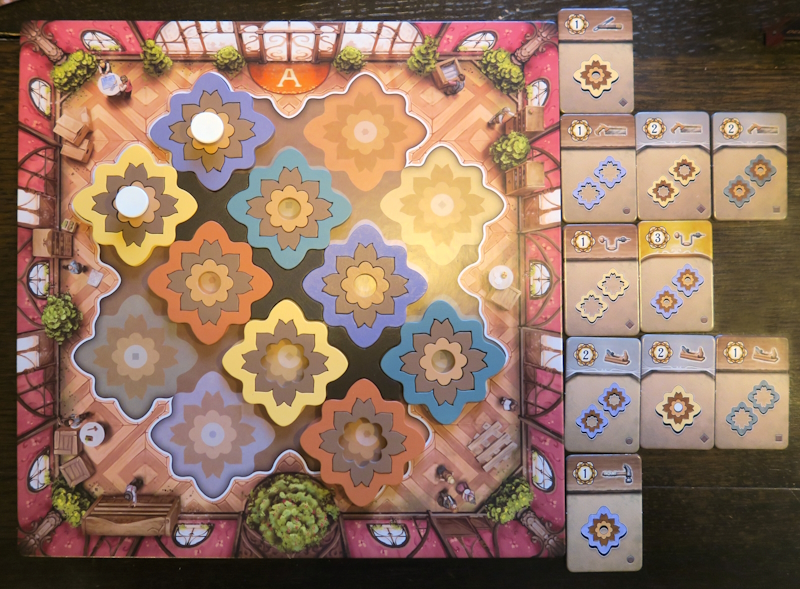
In Cottage Garden, players are competing in the art of gardening and are working two beds with a variety of flowers.  To do this, players select polyomino tiles of flower beds from a central market grid (restricted by the location of the “Gardener”), then place them on one of their two personal garden boards. Each board has several garden elements that are worth points when not planted over, and these are scored (on two different tracks) as soon as a garden has been completed. There are points “bars” on each track, and when these are passed players receive bonus tokens that can fill in empty spaces or give players a better selection of the flower bed tiles.

Cottage Garden
– Image by boardGOATS

Once a garden is finished, the player receives a new one to complete. After the Gardener completes her fifth lap around the market, the game enters its final round, after which, the player with the most points from their completed gardens is the winner.  The received wisdom is that the problem with the game is that it doesn’t change or intensify, which some people find boring.  However it also means that players have time to “get their eye in” and learn how to play without the game evolving beneath them and catching them out as they spend whole time playing chase.  As such, it was pretty much the perfect game for the occasion.

Cottage Garden
– Image by boardGOATS

Everyone did pretty well—Ruby picked up the scoring quickest, but Aunt Damson got the first beehive.  Teal wasn’t far behind though, getting the second.  In the final round, Plum just scored her current flower bed and discarded the second so that she didn’t get any negative points, something that turned out to be a critical decision in a very tight game.Plum and Teal had the edge in scoring for Pots, but that was off-set by Ruby’s scoring for her Cloches and and Aunt Damson’s Beehives.  Teal, Ruby and Aunt Damson were all within a couple of points, but the victor, was Plum with fifty-six, just three points clear of Ruby who edged second from Teal.

Cottage Garden
– Image by boardGOATS

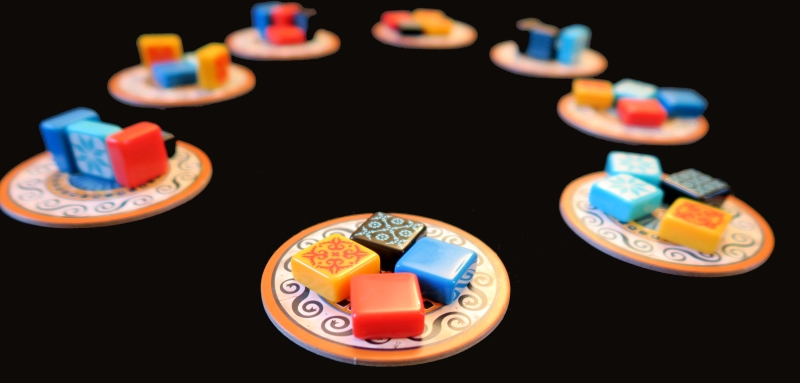
In addition to Aunt Damson, Green had brought his mother, Saffron who was visiting. the area  Saffron was quite well known to some of the group so there was quite a bit of chatter before she joined Green, Lime and Purple in a game of Azul.  This is a game that is well known within the group and with everyone familiar, the rules explanation could be kept short:  the game uses a very simple, but very clever market mechanic where players take all the tiles of one colour from a market stall and put the rest into a the centre, or take all the tiles of one colour from the centre.

Azul
– Image by boardGOATS

As soon as they have taken the tiles, players add them to one of the rows on their player board.  At the end of the round, one tile in each full row is moved into their mosaic.  The game ends when one player completes one full row of their mosaic.  Players score points when they add tiles to their mosaic (one point for each tile in the row and column it forms), and receive bonuses for completed rows, columns and any completed sets in their mosaic.  The catch is that each feeder row can only contain one colour and and if there are left-overs when they add to it, these score negative points.  Further, each row in a player’s mosaic can only have one tile of each colour.

Azul
– Image by boardGOATS

This time, Lime nearly got caught out, however, after Blue was summoned for a rules adjudication.  The question was, was he able to have more than one feeder row in a colour?  If they all had to be different he would be forced to place a lot of tiles in his overflow space and pick up a pile of negative points.  As the rules are clear and players can have as many feeder rows of the same colour as they like at any point during the game (they can only put each colour in a row of the mosaic once), Lime dodged a bit of a bullet.  As a result, he just edged it taking victory by three points from Green with Saffron a few points behind him.

Azul
– Image by boardGOATS

With everything else still going, when Azul finished, Blue joined the table to introduce Saffron to another one of the groups favourite games, Draftosaurus.  This is a very simple drafting game (similar to games like Sushi Go! where players choose from a hand of cards and pass the hand on), but in this case players are drafting cool dino-meeples and adding them to their dinosaur park, with different locations scoring for different combinations of dinosaurs. The game is played over two rounds, each placing six dinosaurs.  The first game was a bit of a land-slide although it ended in a tie between Green and his mum, Saffron, both scoring thirty-seven points.

Draftosaurus
– Image by boardGOATS

It couldn’t be left there of course, so the group “did a Lime” and played again.  This time it wasn’t until the scoring that Green realised why he hadn’t seen a single T. rex—Blue sat to his right had nabbed them all before he got to see them!  T. rex is a special dinosaur in general, but especially in Draftosaurus, giving an extra point for each one, but also having some placement restrictions.  Blue is generally very bad at this game, but even a park full of dinosaur kings (and queens) didn’t help, although it was a very close game with four players within a couple of points.  The clear victory though was Purple with thirty-eight, three points ahead of Lime who led the rest of the pack.

Draftosaurus
– Image by boardGOATS

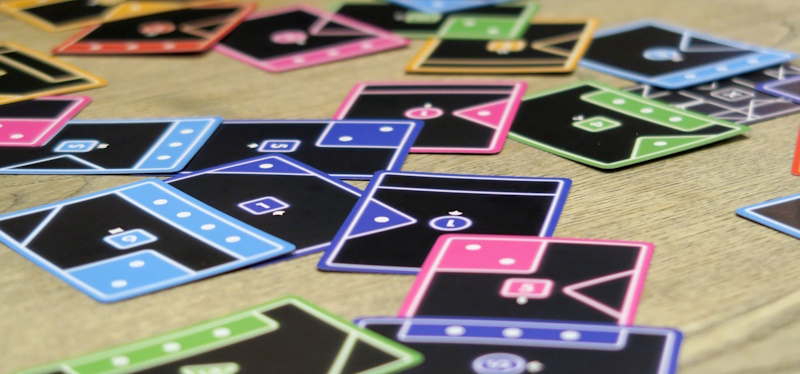
From there, there was a bit of chatter, but by the time Cottage Garden had finished, Teal, Lime, Green and Saffron all decided it was time to head home, leaving Purple to join Ruby, Plum and Aunt Damson.  There was some question about that they would play, but in the end they decided on one of Purple’s favourites, the hidden traitor game, Saboteur.  In truth, this is not at its best with four, but despite that, the group really enjoyed it.  The idea of the game is that players are Dwarves building a network of Tunnels in order to find treasure.  They do this simply by playing a card to extend the Tunnel and drawing a replacement.  The catch is that there is a traitor, an Evil Saboteur, in their midst.

Saboteur
– Image by boardGOATS

So, if the Dwarves have not found the treasure by the time the deck runs out, then they have lost and victory goes to the Evil Saboteur.  In addition to Tunnel cards, the deck also contains Special Map, Rock Fall, Broken Tool and Fixed Tool Cards which Dwarves and Saboteurs can use as they feel appropriate.  With four players, Ruby put two Saboteur cards in the pile used to assign the roles, but as it happened only one came out—Ruby.  Plum seemed to get the all map cards and checked the target nearest her first: Coal.  She then tried the the middle target card, but finally found gold in the one furthest from her.

Saboteur
– Image by boardGOATS

Ruby chose to strike out at Aunt Damson first, but that left Purple and Plum to continue digging for the gold.  Ruby then played a tunnel card with a dead-end which exposed her as a Saboteur, and as the only one, the writing was on the wall.  The game is formally played over three rounds, but we don’t like the way that plays and treat one round as a game in its own right.  Everyone enjoyed the game, but Aunt Damson in particular—she had watched and enjoyed The Traitors, so the overall concept particularly appealed.  It had been a lovely evening with a slightly different set of people and lots of games played.

Saboteur
– Image by boardGOATS

Learning Outcome:  It’s lovely to host family and old friends.

Next Meeting, 24th June 2025

Our next meeting will be on Tuesday 24th June 2025.  As usual, we will start playing shorter games from 7.30pm as people arrive, until 8pm when we will start something a little longer.  Due to a recent change of hands, the pub is NOT doing food at the moment.

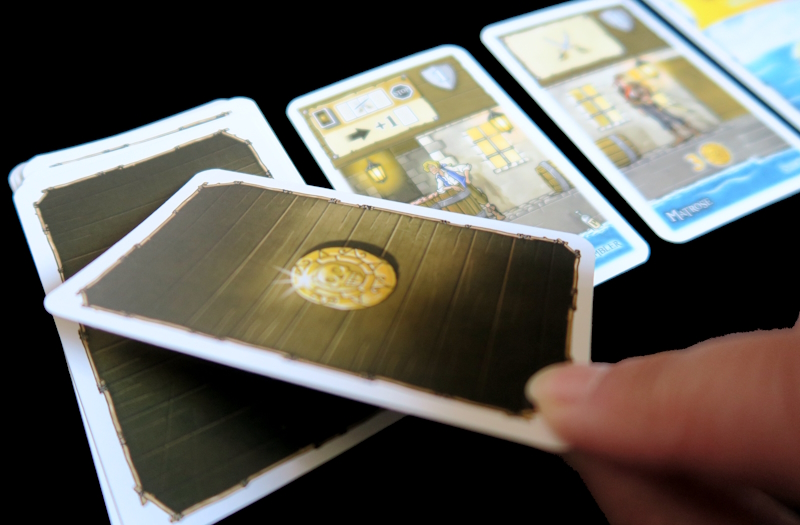
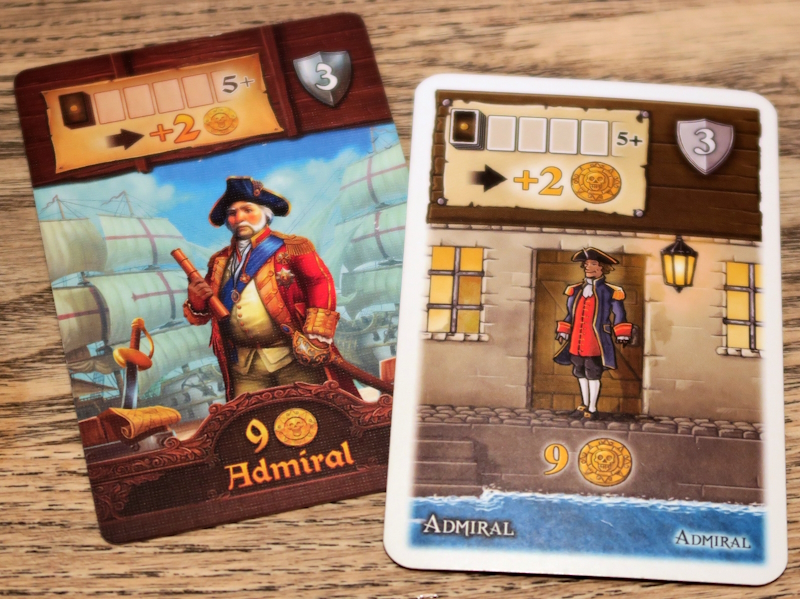
This week, the “Feature Game” will be the Ein Auftrag geht noch (aka Just One More Contract…) expansion to the popular push-your-luck sailing game Port Royal (rules, review, how-to-play video, expansion summary).  This is a light card game where players are trying to earn as much as they can from the Caribbean Sea, but if they set their goals too high, they might take home nothing.

Port Royal
– Image by boardGOATS

And speaking of sailors…

It was a dark, stormy, night at sea and Jeff was on his first assignment on-board ship—guard duty.  The Captain stepped out taking his dog for a walk and Jeff, slightly nervous snapped to attention, made a near-perfect salute, and snapped out, “Good Evening, sir!”

The Captain, who was out for some relaxation, returned the salute and said, “Good evening Seaman, nice night, isn’t it?”  Well it wasn’t a nice night, but Jeff wasn’t going to disagree with the Captain, so Jeff saluted again and replied “Yes sir!”.

The Captain continued, “You know there’s something about a stormy night that I find soothing, it’s really relaxing. Don’t you agree?”  Jeff didn’t agree, but then he was just a seaman, so without hesitation, he responded, “Yes sir!”

Then the Captain, pointing at the dog said, “This is a Golden Retriever, the best type of dog to train.” Jeff glanced at the dog, saluted yet again and said, ” Yes sir!”  The Captain continued, “I got this dog for my wife.” Without thinking, Jeff replied, “Good trade, sir!”

29th April 2025

The evening began with a quick game of the popular Blackjack based game, Flip 7.  This is a quick, push-your-luck card game along the lines of Port Royal where players turn over cards and gamble on not revealing the same number twice taking it in turns to decide whether they want to “flip” or ” stick”. The catch is that each numbered card appears in the deck that number of times (i.e there is one one, two twos and so on). Flipping over seven different cards in a succession gives fifteen bonus points.  There are also some action cards in the deck, “Flip Three”, “Freeze”, “Second Chance” and modifier cards which give extra points. The game ends when players have reached the pre-agreed total.

Flip 7
– Image by boardGOATS

Ivory was keen to get in a little practice as “Little-Ivory” was getting it for his birthday in the next few days.  Although the game plays up to eight (with one box), there were just the four as Ivory was joined by Jade, Sapphire and Mint.  Mint went bust early and Sapphire started fast, but the victor was Ivory who didn’t go bust at all during the game.  With that over quite quickly Jade and Sapphire were joined by Pine, Plum and Byzantium to play the “Feature Game“, Creature Comforts.  In this game, players spend Spring, Summer, and Autumn gathering different resources from the forest and spending them to collect items that will home a more inviting place while the world outside is covered in a layer of snow in the Winter.

Creature Comforts
– Image by boardGOATS

Creature Comforts is a worker placement game with a twist:  the workers can be placed at various locations, but dice of specific values (or sum-totals) are required to activate the locations. Thus, the players need access to dice of specific values when it comes to triggering those workers.  Jade explained the rules to Pine, Plum, Byzantium and Sapphire, some of whom were new to the game.  Played over twelve months, at the start of each month or round, a Traveler “event” card is revealed which either applies an instant effect or one that lasts the duration of the month.  Simultaneously, players then roll their two Family dice and place them on their Home Boards.

Creature Comforts
– Image by boardGOATS

Then, players simultaneously place their Workers at their choice of the twelve locations.  Although the locations can hold any number of Workers, players can only place a single worker at each one.  Each location will either require a dice of a specific value or multiple dice that add to a given sum (or have a particular requirement e.g. feature all odds or evens).  The catch is that at this point, players only know the values of the two dice that they have access to, their Family dice.  So, placing Workers requires some astute planning mixed with some luck when the four communal Village dice are rolled next, by the start player for the month.  Players then take it in turns to allocate the six dice at their disposal to activate as many of the locations their Workers are at as possible.

Creature Comforts
– Image by boardGOATS

Each Worker that a player cannot activate gets them a Lesson token, which can be used to modify dice values in later turns (for only that player).  Finally, players finish their turn by crafting any creature comfort cards they can, keeping in mind that only three can be carried over to the next round.  After eight months (six if playing a shorter version of the game), players can craft any left-over cards they might have in their hand if they can afford to and then score for their Comfort Cards, Improvement Cards, for empty Cottage spaces and left-over resources.  The first problem was that there were a lot of locations to get to grips with.  Pine, who was new to the game, struggled initially, but by the end was wanting to play again soon!

Creature Comforts
– Image by boardGOATS

Sadly, although the game was a lot of fun and enjoyed by all, it was marred by the fact that “Last Orders” was called sooner than expected.  This meant the last couple of rounds were played at something of a rush and points were missed and some of the scores might not have been correctly counted.  There are a lots of odd points to be counted, but the bulk come from the eponymous Creature Comfort cards.  Byzantium top-scored for these with forty-three points, some ten more than anyone else, so it was no surprise that he ran out the winner by a sizeable margin, with everyone else left fighting for second.  That battle was won by Sapphire with Pine taking third.

Creature Comforts
– Image by BGG contributor hipopotam

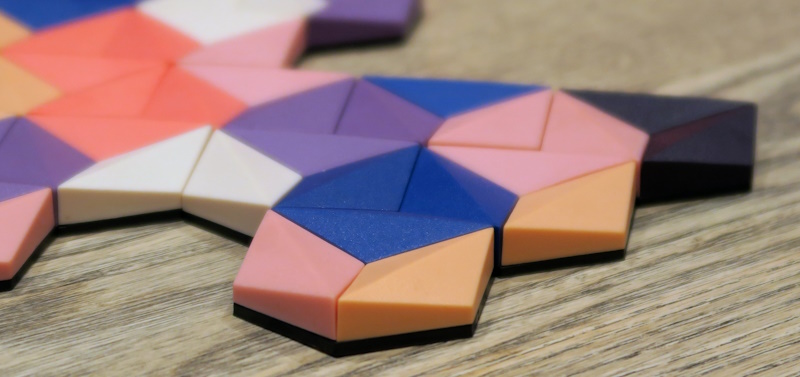
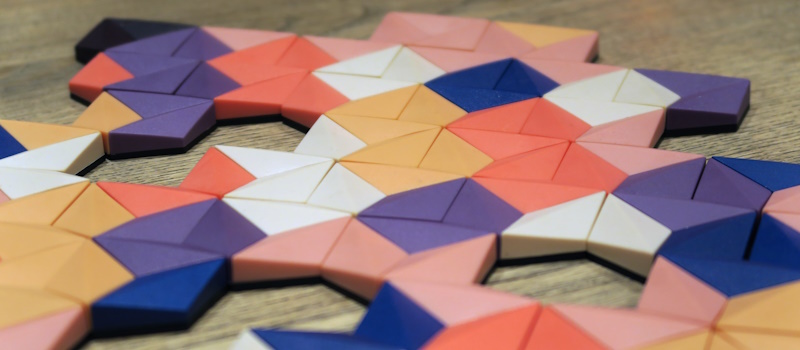
Meanwhile, Mint introduced Blue and Ivory to the really cool, three-dimensional game, Planet.  This is quite a simple game, but really clever:  each player receives a dodecahedral planet core with twelve pentagonal spaces and a magnet in the centre of each one.  On their turn, players choose a pentagonal tile with different terrains (Mountain, Ice, Forest and/or Desert) on them and stick it to their planet. The player who fulfills the most conditions for the appearance of certain animals gains its card.  There are public, animal objectives and each player has a private objective, their “Natural Habitat”.

Planet
– Image by boardGOATS

Players score points for the size of their Natural Habitat, and also for each animal card they claim.  Animals that live in an area that is not the player’s Natural Habitat score extra points which creates sort of opposing incentives to cover the planet with Natural Habitat tiles while also creating the right conditions to score animal cards.  And as the Planet fills up, this gets more and more complex.  Although everyone loved it, the game didn’t quite click for Blue, but it was close between Ivory and Mint.  There were only two points between them in the final totals, with Ivory taking his second victory of the night with twenty points.

Planet
– Image by boardGOATS

From there, the trio went on to play the Golden GOAT Award winning game, Stamp Swap.  In spite of the theme (which didn’t really set anybody’s imagination on fire), this has proved to be a really popular game within the group—it is just very smooth and doesn’t outstay its welcome.  Everyone had played it before, so there was only the barest minimum of a rules run-down.  The game takes place over three rounds, each split into two parts:  Firstly players take it in turns to choose from a central pool, then players divide their pile into two and the first player chooses one pile from another player to take, who keeps their other pile and chooses one from another play—and thus the piles of stamps are swapped.

Stamp Swap
– Image by boardGOATS

Players score points at the end of each round for their achievements and at the end of the game, for the face-value of the stamps and for end game objectives.  Despite everyone having played it before, there was a rules malfunction that might happened before and could have made a significant difference, to Mint and Blue especially.  Each player has an “Exhibitor” which gives players a point for each stamp they have of a given theme.  The group scored this at the end of the game, however, it is supposed to give points at the end of each round.  Everyone played by the same rules, so Ivory was the deserved winner with a hundred and eighteen points, but the scores would have been closer if the Exhibitors had been played correctly.

Stamp Swap
– Image by boardGOATS

On a night when there were four tables, the third consisted of Pink, Black, Pine and Purple, started with a game of Little Town.  This is a really cute little game of Worker placement, resource collection and management, and building tile placement.  The game lasts for four rounds, during which players collect resources (wood, stones, fish, and wheat) from the eight surrounding squares by placing Workers on central map.  Players can then build buildings using these resources, players can then gain the effect of the building by placing a Worker next to it.  Placing a Worker next to a building owned by another has a cost though, and the player must pay a coin before you can collect resources.

Little Town
– Image by boardGOATS

Players collect victory points using the powers of buildings, by constructing buildings, and by achieving objectives dealt at the beginning of the game. This time, Pink played a really pragmatic game essentially simply repeatedly activating the Well and the Bar (giving him two and three points each respectively).  As a result, the game was a bit of a land-slide with Pink taking victory with thirty-nine points, eleven ahead of Black in second with Pine a few points behind that.  With everyone else otherwise engaged, the group went on to play a quick game of Ticket to Ride: New York.  This is one of the first of the very small editions of Ticket to Ride, in fact, the first of the “Cities“, as it was preceded only by the Demo version.

Ticket to Ride: New York
– Image by boardGOATS

The game is played much the same as the full version of Ticket to Ride, with players taking coloured cards from the market and spending them to place pieces (in this case taxis) with the aim of completing tickets.  Black took the most points for the Tourist Attractions he made connections with, but had a bit of a ‘mare elsewhere, failing to complete a large pile of tickets which left him losing fifteen points.  This almost entirely wiped out the rest of his points, but it was relatively close between the others.  Pink was once again the victor though, taking the most points for placing taxis and for his tickets giving him a total of thirty-four points, with Pine taking second place just ahead of Purple.

Ticket to Ride: New York
– Image by boardGOATS

The fourth table consisting of Green, Teal, Salmon and Flint, only played the one game, but it was one of the most beautiful of recent times:  Earth.  This is a card-driven engine-builder where players are building themselves an ecosystem.  Often compared to Wingspan, although there is a lot to understand, the game itself is not actually all that complicated. Players are building a four by four grid of Flora and Terrain cards which represents their island; during the game they will plant flora, water it and allow it to grow.

Earth
– Image by boardGOATS

On their turn, players do one of four things: Planting (paying the cost in Soil tokens), Composting (gaining Soil and placing cards from the deck in their discard pile), Watering (place Sprouts and gain Soil) & Growing (draw new cards and place growth tokens).  A bit like Puerto Rico, once the active player has chosen which action they are taking, everyone else gets to do a subsidiary, slightly weaker version of the same action.  For example, when Planting, the active player plants two cards, draws four and keeps one, while the other players plant one and draw one.

Earth
– Image by boardGOATS

Once everyone has completed the action for the turn, everyone activates all the cards in their island that match the colour of the action chosen, starting with the card in the top left and working across each row in turn.  So, not only is it important which cards are played, but also where they are located in the player’s island.  At the end of the game (which is triggered when one player has completed their island), players score points for each Flora card, any Trunks and Canopies they have grown, their Sprouts and their pile of “Composted” or discarded cards.  Players also score points for achieving objectives on the Fauna cards revealed at the start of the game and for completing their island first.

Earth
– Image by boardGOATS

This was another game that turned out to be a bit of a land-slide.  The base scores for the islands was pretty consistent, but as with many games, it’s about what you do with the cards you get that makes the difference.  Green “Composted” fewer cards, but scored more for his Sprouts.  Players had ups and down, but otherwise it was fairly even.  The biggest difference, however, was the number of Leaf Tokens on the Fauna board—Green had more than twice as many as anyone else with sixty.  As a result, his total of two-hundred and forty-four was nearly fifty more than that of Teal who took second ahead of Flint in third.

Earth
– Image by boardGOATS

Learning outcome:  Rushing the end of a game can take the shine off it.

Next Meeting, 10th June 2025

Our next meeting will be on Tuesday 10th June 2025.  As usual, we will start playing shorter games from 7.30pm as people arrive, until 8pm when we will start something a little longer.  Due to a recent change of hands, the pub is NOT doing food at the moment.

This week, the “Feature Game” will be Sierra (rules).  This is a shiny new game about traveling the Andes that received a UK preview at UK Games Expo ten days ago.  As we have a pre-release copy (flown in specially), we thought we’d take advantage of it to give the game an outing.

Sierra
– Image from philibertnet.com

And speaking of The Andes…

Jeff and Joe were enjoying a drink one evening when Jeff mused, “Whenever you see photos of people in the Andes they are always dressed in woolly ponchos, why do you think that is?”

His mate replied, “I dunno, perhaps because that place is Chile…?”

22nd April 2025

The evening began with the sad news that Kath and Ian and their daughters were leaving for a new pub in Shipton Abbot (or was that  Newton Abbot?).  They have been good to the group and worked hard to give us an environment that conducive to gaming, so it is sad to see them moving on, though Devon is quite a nice place.  Everdell is also reputed to be a nice place, and one that some of the group were to travel to perhaps using its new railway station, as the Newleaf expansion to Everdell was the to be the week’s “Feature Game“.  The game got going after about fifteen minutes of general faffing about and reminding everyone of the rules to the base game and explaining the additional features of the expansion.

Everdell: Newleaf
– Image by boardGOATS

The base game is a fairly simple one of worker placement to collect Resources and spend them to place Cards.  Players keep playing until they run out of workers when they get them all back (vacating the associated Action spaces), and then start again.  The game is played over four rounds (or Seasons), with players with the most points from Construction and Critter Cards as well as Event (end-game scoring) Cards.  The Newleaf expansion adds new Critter, Construction and Event Cards, but more obviously, it a new railway station.  This and associated Visitor Cards, Freight Trucks (which provide an alternative way to get Resources), Travel Tickets, and Reservation Tokens.

Everdell: Newleaf
– Image by boardGOATS

Plum (who obviously chose to play with Cat-eeple Workers) went first, grabbing some Resources, followed by Purple (Butterfly-eeples), Cobalt (Hedgehog-eeples) and then Ivory (Duck-bill Platypus-eeples).  Everyone started setting up their town, particularly focusing on green Constructions and Critters that could give income in spring. Plum built up a large pile of Resources and grabbed a Freight Truck with Resources loaded on it and her choice of discount when producing (paid in part using the Reserve Token to gave her a discount) . Purple didn’t go for green Cards, but red Cards with additional worker spots (in particular the Hotel and Chapel), whereas Cobalt and Ivory both got a Mine and Miner Mole, giving them access to valuable pebbles.

Everdell: Newleaf
– Image by boardGOATS

The length of Seasons in this game is variable, with some players doing more than others before they are forced to reclaim their Workers.  Purple passed on to Spring first, followed by Plum and then, sometime later, Cobalt and Ivory.  Cobalt gained a few blue Cards which had given him Resources (and in particular Cards) when playing Constructions and Critters, whereas Ivory had built quite a collect of green Cards, giving him a significant pile of Resources going into Spring. Spring was very similar to Winter, with everyone focusing on engine building, although Purple was beginning to struggle, due to a shortage of green Cards. Ivory made an early grab for Harvest Festival Event which gives a points bonus for having four green Cards in his city—he was already building quite a big tableau including a Castle.

Everdell: Newleaf
– Image by boardGOATS

Cobalt was taking things slightly more slowly, still focusing on blue Cards, which was enabling him to draw three cards every time he played a Card, so he was always at the hand limit.  Moving into Summer, Cobalt significantly stepped up his building, as did Plum.  She grabbed the Ever Wall Tower card which rewarded her for having nine Constructions. Having already taken Grand Tour event for having three red Constructions, Ivory was eyeing up the Royal Tea special event for having three green and two purple Cards in his town.  However, whilst focusing on collecting resources for buildings to complement his already built Castle and the Palace Card he had in his hand, he failed to notice Cobalt had already played three purple Critters/Constructions.

Everdell: Newleaf
– Image by boardGOATS

As a result, Cobalt beat Ivory to both the Royal Tea and the Scenic Flight awards. Much to Ivory’s disgust, Cobalt was then also able to claim the Sunflower Parade achievement award for having three Events too.  So, Ivory went into damage limitation mode, and began focusing on the passengers at Newleaf station as an alternative way to score points.  Purple was first to move into Autumn and as everyone else followed the focus was firmly on points.  Cobalt was able to collect the Juniper Jig Dance Contest Event card for having nine Critters (in part due to Ivory giving him the Fool!).  Ivory was collecting more passengers using his special ticket to enable him to take a worker back, something everyone had from the from the expansion while Plum was building as many building as possible.
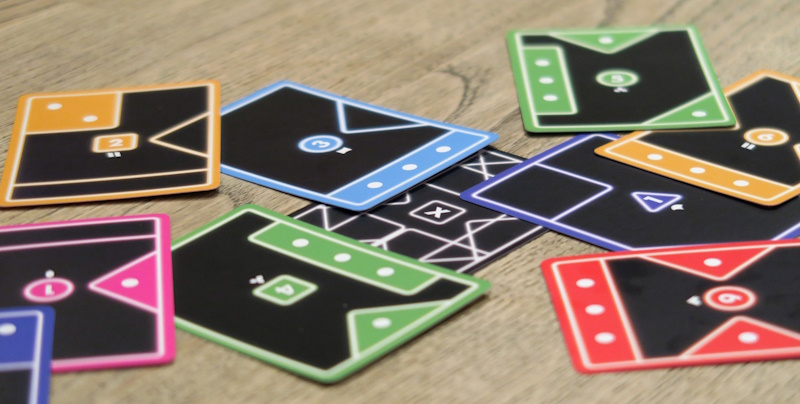
Everdell: Newleaf
– Image by boardGOATS

It was all a bit of a rush at the end as it was nearly midnight when the game finally finished.  Largely due to the scores for his huge number of Events, the winner was Cobalt with ninety-three points.  Ivory took second some ten points behind, closely followed by Plum who got over half her points for Critters and Constructions.  The game had taken all evening, but during this time, Pink, Pine and Lime had managed to get through no less than five games.  The first was one of Pink’s favourites, Zoo Break.  In this game, players work cooperatively to try to prevent the escape of animals from their zoo.  It is one of Pink’s favourite games, but this time it was very, very short-lived.
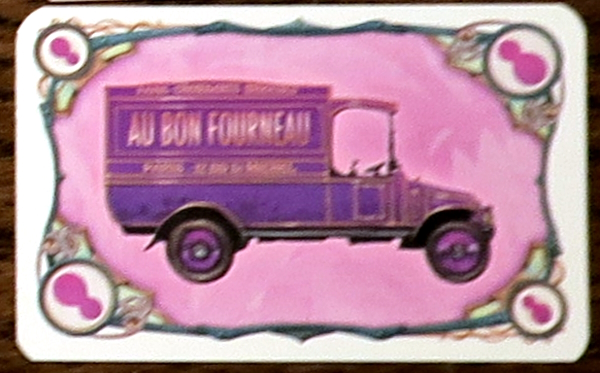
Zoo Break
– Image by boardGOATS

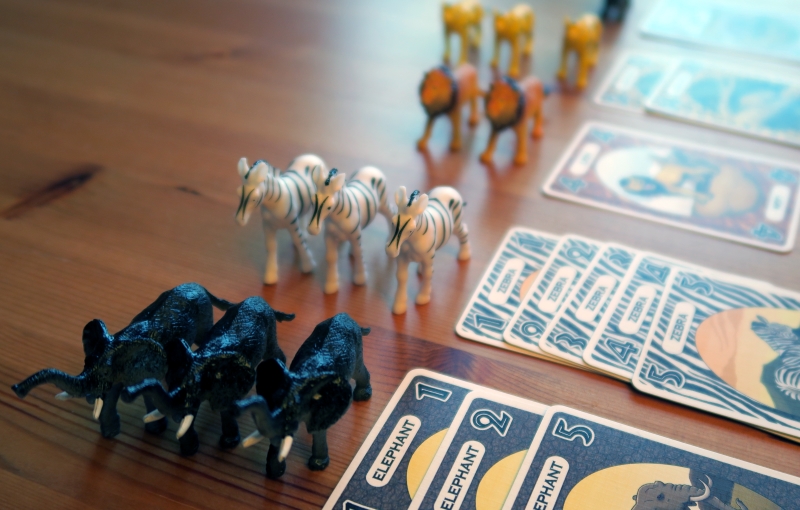
Things started well as the group locked up the Capuchins, Snakes and the Rhino.  But then the Meerkats, who were partying in the fountain, decided to make a bid for freedom.  Three tigers and four elephants were already on the loose and rampaging round the zoo and while Pink put two Pandas back in their cage, five of the Meerkats made it to the exit and headed out.  And thus a handful of mischievous Meerkats led to the sad demise of Bedlam Zoo (which really had been Bedlam this time).  To help get over the disappointment of the epic failure, the group decided to go on a a train ride around France with Les Aventuriers du Rail Express, a light version of one of the group’s favourite games, Ticket to Ride.

Ticket to Ride: Europe
– Image by boardGOATS

There are lots of versions of Ticket to Ride, from the teeny-tiny city editions through to the rather epic Rails & Sails and Legacy versions.  Les Aventuriers du Rail Express is a French map that is a step up from the city editions and fits between the standard games (Like Europe) and First Journey, making it slightly quicker than the full games, as it is played on a slightly smaller map with slightly fewer trains.  Aside from that, it is essentially very similar in game play to all the others:  on their turn players either take cards from the market, or spend them to place plastic train pieces on the map.

Les Aventuriers du Rail Express
– Image by boardGOATS

As in the larger version players can also take tickets, but this has to be balanced with the bonus for completing a route from London to Istanbul, the most distant pair of cities.  The first player do so gets twenty points, the second gets fifteen and the third gets ten.  Additionally, the wild Locomotive cards also work slightly differently in this game in that, instead of being mixed in with the market, they are always available from a separate stack, but as usual, players can only take one per turn.  Being a quick game, and with everyone feeling they knew the game and was in with a chance of winning, the group ended up playing it twice.

Les Aventuriers du Rail Express
– Image by boardGOATS

The first time, Lime finished with the most points from placing Trains, but both he and Pine carried negative points from incomplete Tickets.  Incomplete tickets are a real drag as they effectively, carry a swing double their face-value.  As a result, Pine just pipped Lime to second place.  The winner was Pink, however, despite the fact that he had the lowest points for his tickets; he did finish the London to Istanbul connection first though.  In the second game, the roles were somewhat reversed with Pink taking the most points for placing trains, but failing to complete the London to Istanbul route at all.  The winner was Pine who, like Pink in the first game, also claimed the maximum of twenty bonus points, while Lime was the runner up.

Les Aventuriers du Rail Express
– Image by boardGOATS

Everyone else was still playing, so the trio managed a quick couple of games of the card-drafting game, Sushi Go!.  This is a very simple game, where players start with a hand of cards and choose one to add to their tableau before passing the rest on.  Played over three rounds, players collect points for collecting Maki Rolls, Sashimi and Nagiri (which is all the better when combined with Wasabi).  At the end of the game, players with the most Pudding cards score an extra six points, while those with the least lose six points.  The player with the highest total is the winner.  The points throughout both games were fairly even with nobody crashing out or having a golden round.
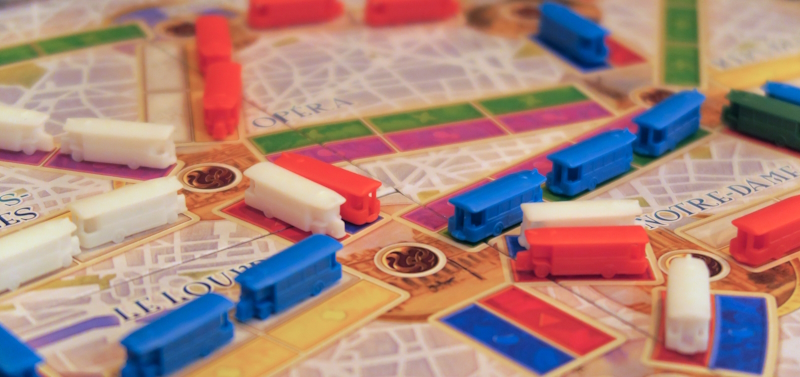
Sushi Go!
– Image by boardGOATS

Despite this, the winner of the first game took it by a bit of a land-slide.  It’s true that Lime top-scored in two of the three rounds, but they were all really close.  The real difference, therefore, was made by the Puddings which he had the most of and left him with a total of forty-five, a dozen more than Pink, the runner-up.  It was fairly inevitable then that in the second game, there was quite a battle for the Pudding cards.  The scores were close again, and again Lime won two out of the three rounds.  The overall winner was arguably Pink, who despite losing all three rounds had the most Puddings and therefore took victory from Lime on a tie-break.
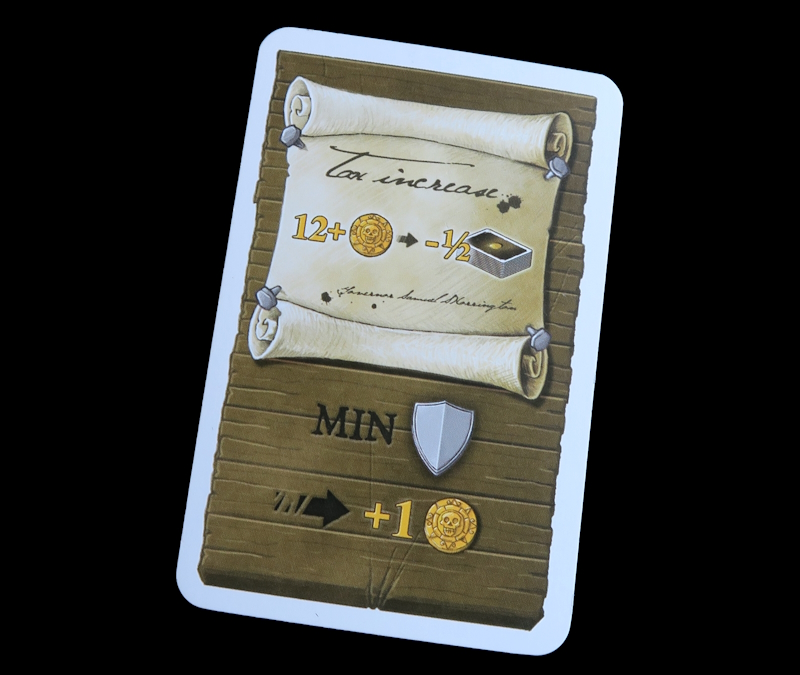
Sushi Go!
– Image by boardGOATS

The final table for the evening, consisted of Jade, Sapphire, Black and Blue playing Meadow with the Adventure Book expansion.  Meadow is a clever little card game where players collect cards to add to their tableau from a central market.  On their turn players place one of their tokens next to the grid with the type of token and the location combining to dictate which card they take.  Players can then add a card from their hand (which may or may not be the one they picked up) to their tableau.  In the base game, there is an additional campfire board, but the Adventure Book replaces this.  Each “page” from the book changes the mechanics to a greater or lesser extent.

Meadow: Adventure Book
– Image by boardGOATS

The group played with the first scenario, which introduces Weather.  There are two token that indicate a row and a column in the market, and every time a card is taken from these, players can move along the appropriate Weather track.  Reaching the end of these gives players extra cards.  Additionally, placing a token in a space in the Book allows players to claim rewards if they have fulfilled the criteria and have the two symbols shown visible in their tableau.  These give extra points at the end of the game.  There was a lot of faffing about and getting to grips with the rules changes, especially as initially, the wording in the rules for the expansion was a little unclear.  Added to which, Black hadn’t played the base game at all before.

Meadow: Adventure Book
– Image by boardGOATS

Once the rules had been fathomed out and explained, the group got the game underway.  Different players targeted different card types with some going for the harder to place higher up the food-chain cards, while others tried to diversify.  Blue tried to get as many of the bonus points for collecting pairs of symbols as she could and as a result finished at the back of the pack.  The game is not a high scoring one though and those bonus points made a big difference.  It was not quite enough to give her the victory, however, and she finished one point behind Jade who topped the rankings with forty-six points, with Black in third.  It had been a very enjoyable evening all round though, regardless of the number or type of game played.

Meadow: Adventure Book
– Image by boardGOATS

Learning Outcome:  Cards are a critical part of most modern games.

UK Games Expo 2025

Friday was the first day of the eighteenth UK Games Expo at the NEC in Birmingham.  It is bigger than ever, and it is rumoured that it is fifty percent bigger than last year.  In truth, though it is difficult to tell, as the organisers had to move out of Hall 1 (apparently to accommodate Tesla who then cancelled), putting all the stands on a single level spread over a large, more or less continuous space.  So this year, it just feels, very… large.  Additionally, There are the now regular attendance of the Vikings and Romans camping by the lake, but fewer cosplayers, or maybe they are just more spread out…

UKGE 2025
– Image by boardGOATS

Although there are some new releases, the focus of UK Games Expo this year, as always, is the current games and open gaming (both in the halls and at the nearby Hilton).  There are also organised play-testing and tournaments, with plenty of game-related geek-fare, like puzzles, furniture, clothing, jewelry, nick-nacks and other sundries.  Indeed, there are more cool dice available to see and buy than most “normal” people would ever believe!

UKGE 2025
– Image by boardGOATS

Most games companies have a stand at UKGE, some with sales, some just demoing and many with both.  A new innovation this year is the collectable pin badges. A variant of these is the live-action Catan game, where attendees can acquire a starter set of resource button badges to trade.  Collecting a full set of five, enables the owners to claim a sixth from the stand.  This game was remarkably evocative of a real game of Settlers, with players desperate to find wood for their large pile of sheep!

UKGE 2025
– Image by boardGOATS

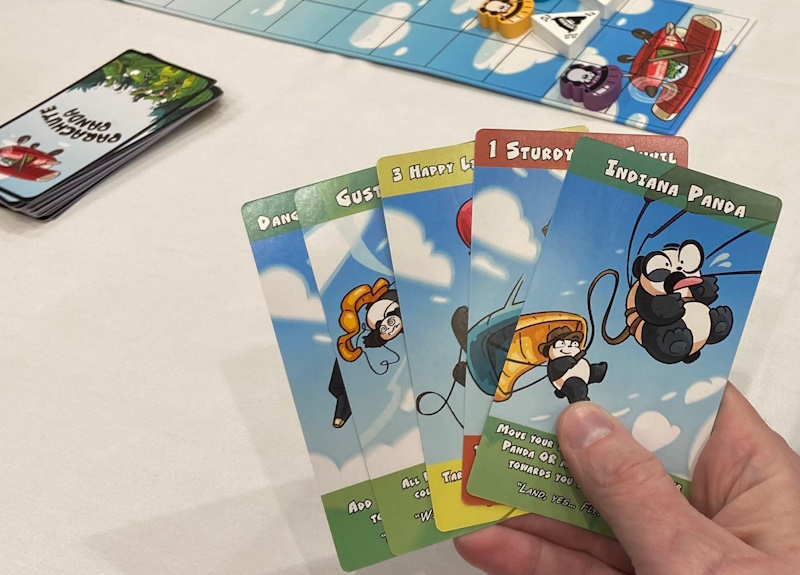
There are lots of opportunities to play demo games, both old and new.  New games include The Hanging Gardens and Critter Kitchen while slightly older games on display include Panda Panda, River Valley Glassworks and Harmonies.  There are also expansions and variants of old favourites, including the Grand Tour expansion for Snowdonia, the upcoming expansion for Shackleton Base, the award winning Heavy Rain expansion for Heat, the Athena expansion to Akroplolis, the new Lodges expansion for Kavango, and the Correspondence expansion for In the Footsteps of Darwin.

Harmonies
Panda Panda
Snowdonia: Grand Tour
– Images by boardGOATS

This year, about half of the boardGOATS are making the trip to the NEC in Birmingham, some for one day some for more, with others working on stands or at the Play Testing.  The event is so vast now though that you can no-longer guarantee accidentally bumping into people you know, but SMS is a great way to communicate onsite.  The event is great fun and well worth a visit.  UK Games Expo continues at the NEC in Birmingham until 4pm Sunday 1st June.

UKGE 2025
– Image by boardGOATS