Tag Archives: Monopoly

Boardgames in the News: The Thief who Risked Gaol in the Trivial Pursuit of a Monopoly of Family Games

Theft of games has made it into the news a couple of times recently—back in January £700-800 of games from the HandyCon library were taken from Paul Frohnsdorff-Harris’ car.  This week, Paul Mangal (58), of Haringey, London who admitted twenty-three counts of theft of board games worth a total of £3,000 over a two year period has been sentenced to twelve months imprisonment (suspended for two years).  Investigating officer, Sergeant James Elliott, said Mangal’s offending “appeared to ramp up before, during and immediately after Christmas, then almost daily up until his arrest”.  The offenses concerned multiple copies of family games including Monopoly, Risk and Trivial Pursuit mostly from Waterstones in Crouch End.  On one occasion he was caught on CCTV making off with several games in a suitcase which led to him being additionally banned from being in possession of a suitcase in both Crouch End and Hornsey.

– from youtube.com


Boardgames in the News: A Monopoly on Monopoly?

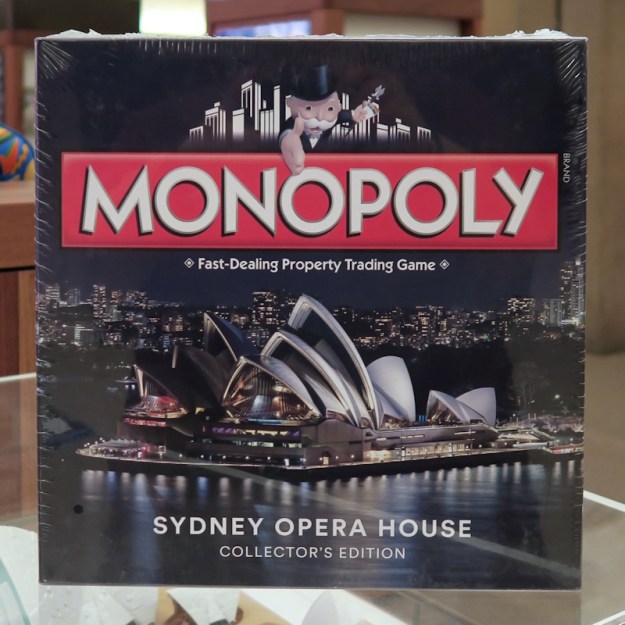
The Christmas holidays are the time of year when many people who rarely play games get out something to play as a family.  For for some, the tradition is Scrabble, Pictionary or Cluedo, but for many, the game of choice is Monopoly.  This is one of the world’s best known games, and there are many thousands of different editions to choose from, including copies themed round different places, companies, events and even other games.  Last year, Neil Scallan from Hayes (west London) had a visit from the folks at Guinness World Records who counted his four thousand three-hundred and seventy-nine copies and confirmed he holds the record for the Largest Collection of Monopoly Boards.

– from youtube.com

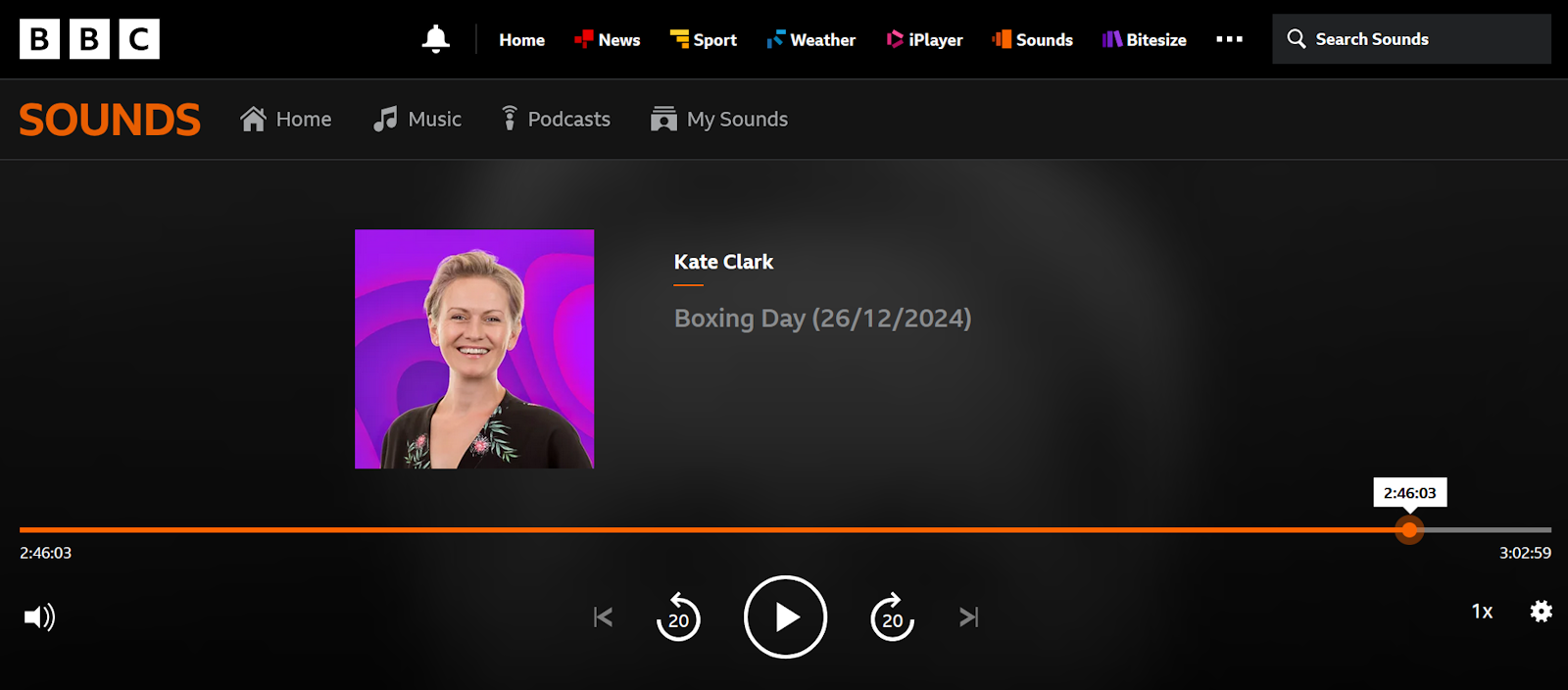
Although Monopoly is very well-known, it is a game that has a reputation for being overly long, often leading to family rows.  This is largely because most families don’t play by the “Rules as Written”, instead playing by the family’s “House Rules“, which are usually passed from generation to generation by word of mouth. There is generally nothing wrong with “House Rules”, however, in the case of Monopoly, they are often responsible for all the perceived problems as discussed by games designer and curator of the Museum of Board Games in Newent, Tony Boydell.  The interview with Kate Clarke for BBC Radio Gloucestershire, was broadcast on Boxing Day and can be found 2hrs 46mins in.

Kate Clarke on BBC Radio Gloucestershire
– Image from bbc.co.uk

Boardgames in the News: Monopoly Takes Over in Leeds

Monopoly was developed from The Landlord’s Game in 1933 and launched in the USA in 1935.  It was introduced to the UK in the following year when Norman Watson (the then Managing Director of John Waddington Ltd playing card division) played a game at his home in Horsforth, Leeds. That led to Waddingtons being granted a licence to manufacture the game, which it did from its factory on Wakefield Road, Hunslet, Leeds. To mark this connection to the city, “Monopoly Leeds Takeover“, a city-wide version of the iconic board game started this weekend, organised by “Welcome to Leeds“.

Monopoly
– Image of unknown origin

According to their website, “Monopoly Leeds Takeover” is “a free, family friendly immersive experience brings the best-selling property trading game to life, using key locations and landmarks as the gameboard with life-size tokens, clues and puzzles.”  In addition to the game, there will be various Monopoly/Waddingtons-related exhibitions, board-game-design workshops for kids, and a blue plaque will be placed on the former home of Norman Watson to mark the location of that first game of Monopoly in the UK.

Monopoly Leeds Takeover
– Image from monopolyleeds.com

The events, will be running from 27th July until 1st September and details of the Monopoly Leeds Takeover Game are available online.

Boardgames in the News: Games on Radio 4

BBC Radio 4 often has short articles on games and from occasionally has longer programs that are dedicated to games or playing.  Recent examples include the “Why we Play” series and an episode of “Start the Week” discussing Videogames.  There has also been an episode of the magazine program “All Consuming“, dedicated to board games.  This is presented by Charlotte Stavrou and Amit Katwala and discusses everything from the Ancient Egyptian game of Senet to more recent classics like Azul, Monopoly and The Settlers of Catan.

Azul
– Image by boardGOATS

During the program, there are interviews with Dan Jolin, co-founder of the magazine, Senet and the World Monopoly Champion, Nicolo Falcone; there is also a visit to the Orc’s Nest in Covent Garden.  Traditional and historical games like Mancala, Chess, The Game of the Goose, Snakes and Ladders and Backgammon are discussed at length together with their history.  Moving on to more modern games, Articulate!, Splendor, Ticket to Ride, and Pandemic all get a mention.  The presenter, Amit Katwala also visits the hugely prolific designer Reiner Knizia in his office in Munich where he keeps a library of all his games including The Quest for El Dorado, Samurai, Lost Cities, Gold Rush, and Lord of the Rings.  There, they discuss how “critical mass” is important for success—reaching enough people is the key Dr. Knizia explains, and is why games like Go and Chess are so popular.

All Consuming
– Image from bbc.co.uk

Last week there was also an episode of the comedic science program, “The Infinite Monkey Cage” with presenters Brian Cox and Robin Ince featuring Marcus de Sautoy from the Maths Department in Oxford, games designer Dave Neale and comedienne Jessica Fostekew. This begins with an introduction about playing Cluedo, moving on to a discussion about the definition of a game—something the philosopher Ludwig Wittgenstein apparently struggled with.  One possible definition discussed is that playing a game is a voluntary attempt to overcome unnecessary obstacles.  From there, conversation progresses to how people often refuse to play with those who are perceived as being good at playing games; Marcus de Sautoy explaining the maths behind his strategy for winning at Monopoly, and why Snakes and Ladders is so popular.

Senet
– Image by boardGOATS

There is also a game of Rock-Paper-Scissors (which makes interesting radio) with discussion about the World Championships, how to win and the fact that it isn’t as random as one might think.  There is a lot of discussion about modern Euro games as well as more traditional games and historical games, with Senet, The Mind, Cheat, Escape from Colditz, Rummikub, Royal Game of Ur, Scrabble and some of those mentioned above amongst those featuring.  The discussion touches on John Nash and Game Theory, the Prisoner’s Dilemma, The Ultimatum Game and the Golden Ratio.  For those who are interested in board games and gaming, this episode of The Infinite Monkey Cage is well worth a listen and both it and the episode of All Consuming are currently available on BBC Sounds.

The Infinite Monkey Cage
– Image from bbc.co.uk

14th May 2024

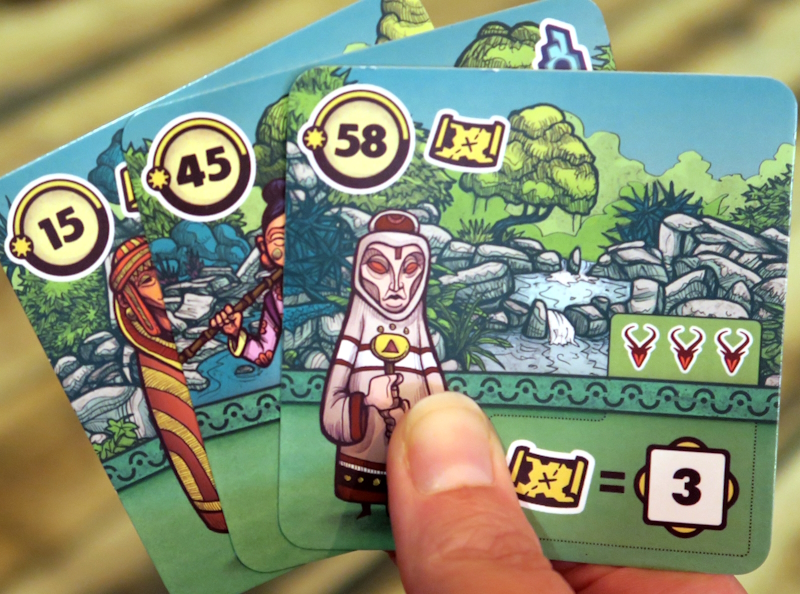
Pine was already sitting outside marking his birthday, when Blue and and Pink rocked up and ordered their tea.  Jade and Sapphire soon joined the group, ferried by newcomer, Tangerine who not only brought gamers, but also his shiny new copy of the “Feature Game“, Faraway, which he had won at Gweeplefest a few days earlier.  This game is has been a bit of a hidden gem whose popularity is rapidly gaining traction as more people play it.  It is quite a simple game, but one which really messes with the head.  Some of the group played it a few weeks back and it was so popular that it seemed a good idea to Feature it so more of the group could try it.

Faraway
– Image by boardGOATS

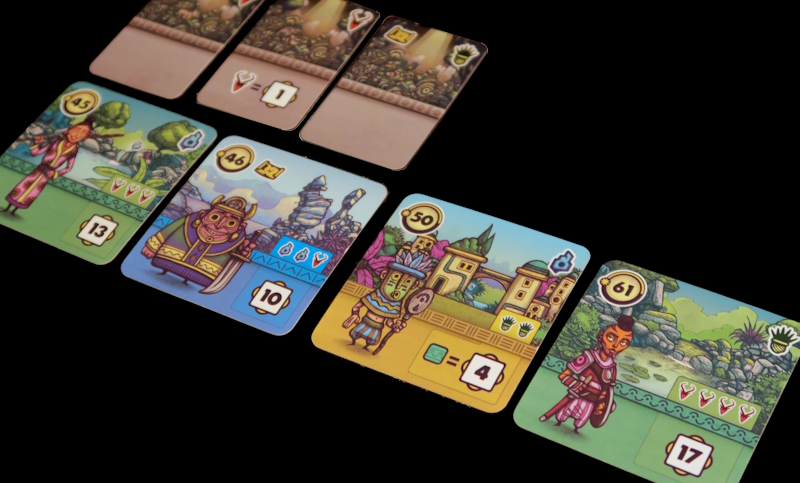
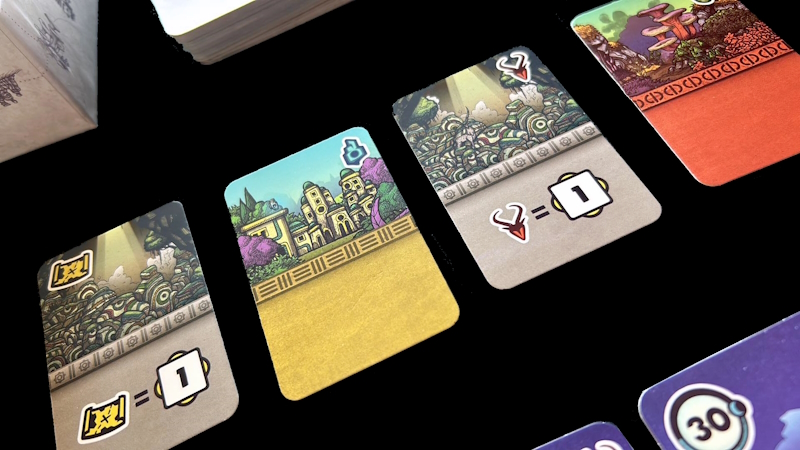
The story is that players are exploring the mysterious land of Alula in search of its secrets, meeting its inhabitants and listing its wonders in order to gain more fame than everyone else.  In practice, however, it is a fairly simple little card game with a market with a trick-taking type element.  Players simultaneously chose one of the numbered cards from their hand and starting with the the player that played the lowest card (similar to 6 Nimmt! or Kingdomino), everyone takes it in turns to choose one from the market to add to their hand.  Players then simultaneously choose another card, and again, choose one to add to their hand.  The game ends after everyone has played a total of eight cards, and then everyone scores.

Faraway
– Image by boardGOATS

There are a couple of very clever things about the game.  Firstly, if the card someone plays is numbered higher than their previous card, they take a card from the Sanctuary deck.  These cards a really important because of the second clever element, the scoring.  Each card has a number and a colour, while some also have resources and some have also have scoring conditions.  The scoring is clever because the cards are played left to right, but the scoring is from right to left—at first glance, this looks like it makes things easy, because early in the game players find out what they need to get points and can then focus on getting the resources they need as the game progresses.

Faraway
– Image by boardGOATS

However, the scoring is tensioned against the ability to get Sanctuary bonus cards. This is because the scoring cards are generally those that have a higher number and are therefore the ones players want to play first (following them with resource cards which generally have a lower face value).  To get a Sanctuary card though, players have to play a higher value card than the immediately preceding one, and Sanctuary cards are very useful because they are eligible for scoring regardless of when they are played.  Thus, trying to play cards increasing and decreasing in value to score the most points backwards really messes with players’ heads!

Faraway
– Image by boardGOATS

Tangerine, started one game and explained the rules to half the group, comprising Plum, Byzantium, Blue, Pink and Pine, while he ate his supper.  Meanwhile, Jade and Sapphire took their copy to a neighbouring table where they were joined by Teal, Black and Purple, and started a second game.  Although it is a very simple game, the backwards forwards up and down thing got to several of the group at various points, including Blue (who lost the ability to count), Teal (who did all his scoring forwards instead of backwards), Pine (who struggled with the how maps worked) and Purple (who couldn’t get her head round the reverse scoring).  Jade’s game was the first to finish, with Sapphire beating jade into second place by a single point and Black taking third.

Faraway
– Image by boardGOATS

There was a general appreciation of the art and the mechanism though the theme was a bit invisible.  There had been such confusion, however, that the group decided to “do a Lime” and play again.  This time, the finishing order was exactly the same, but the game wasn’t as close with Sapphire’s eighty-two being the highest score of the evening.  On the other table, Plum was the victor with seventy, followed by Tangerine and Byzantium in third.  This game had taken a little longer, and with six, there is a lot of downtime, so although everyone had enjoyed it, the group decided to split into two groups of three.  Blue tempted Plum and Sapphire to a game of Calico with cries of “Kittens!”, while Pink and Pine lured Tangerine into a game of Ticket to Ride: San Francisco.

Ticket to Ride: San Francisco
– Image by boardGOATS

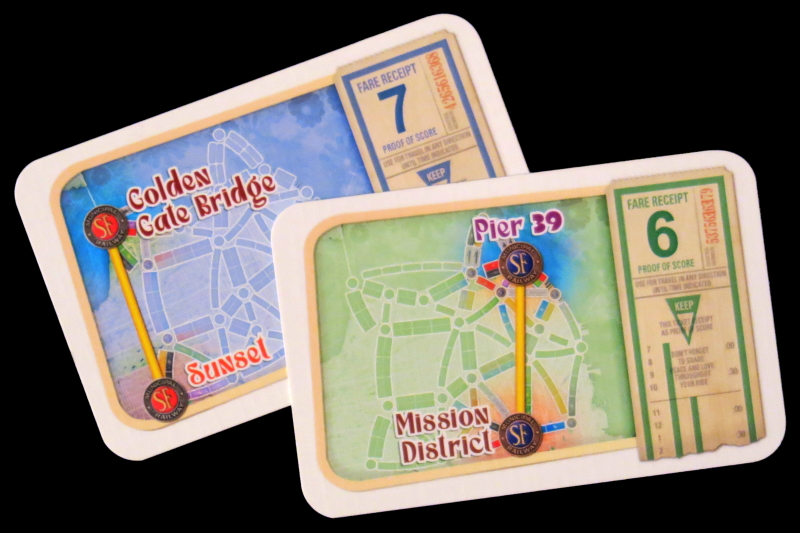
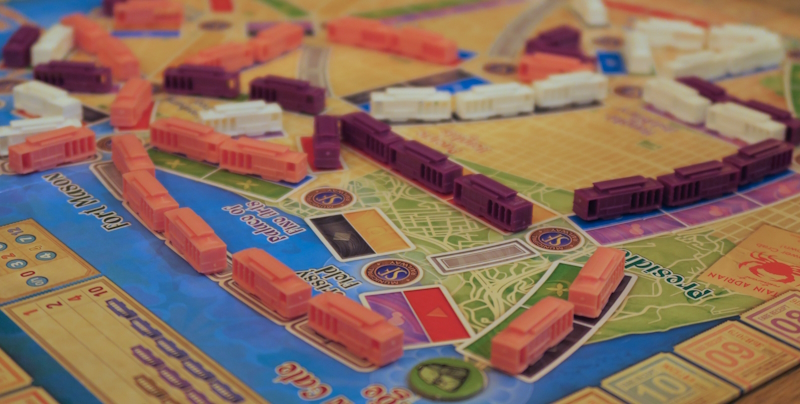
San Francisco is one of the smaller city versions of Ticket to Ride.  The game play is much the same as the original, but the maps are smaller, players have fewer pieces and they only play a maximum of four.  In all the games, players take it in turns to take coloured cards into their hand from the market, or play cards to place pieces on the board connecting locations to satisfy tickets and score points.  Each version of the game has its own specific unique rules, and this one is no exception with players collecting Souvenirs which give points at the end of the game.  Players collect these by building a route (in this case made of trolley cars rather than trains) to the cities where they are available.

Ticket to Ride: San Francisco
– Image by boardGOATS

Each player can only collect one of each Souvenir, but a full set of seven gives twelve points, which is a lot.  Tickets are also always key though.  This time, Pink escaped early from Alcatraz to Twin Peaks which gave him a high scoring eight points.  Unlike Pine (who always seems to draw routes he’s already completed), Tangerine was unlucky and and instead picked up some negative points late in the game.  It was very close between Pink and Pine though, but the Souvenirs made the difference and Pink (with five) just edged it, beating Pine (who only had two Souvenirs) by three points.

Ticket to Ride: San Francisco
– Image by boardGOATS

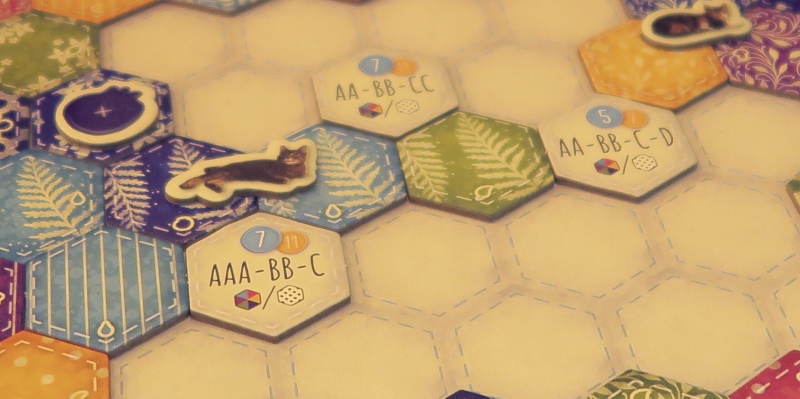
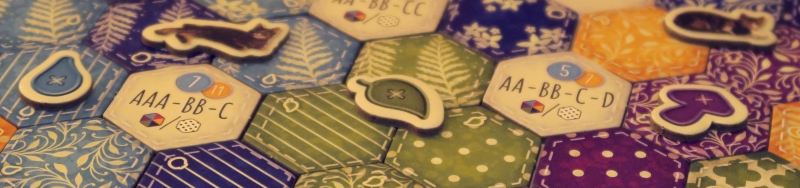
Meanwhile, the kitty-philes were playing the extremely frustrating game Calico, which is all about trying to entice cats to come and sleep on a patchwork quilt by making it with the patterns they like.  In this game, players take it in turns to place a coloured, patterned tile from their hand into their quilt board before taking a replacement from the market.  Everyone had played it before, but it had been a while, so the rules needed a bit of revision.  Each player starts with three tiles in a fixed location with scoring criteria for the neighbouring tiles—satisfying these for either colour or pattern gives points, with more points for for those that satisfy both (which is not easy).

Calico
– Image by boardGOATS

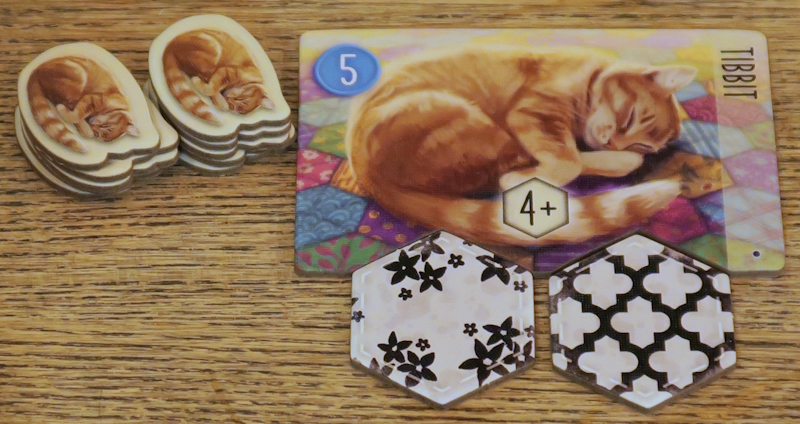
Players then also receive a coloured button for every group of three adjacent tiles of the same colour (with a bonus if they get all six possible colours).  Finally, there are the cats that give Calico its name.  This time the cats in question were Almond, Tibbit and Shop Cat (from the Kickstarter Promo).  Almond was attracted by a group of five tiles of one of the patters in a close packed predefined shape while Tibbit found a set of four tiles of one of the given patterns in any shape most appealing.  Shop Cat was lured to the player with the longest connected chain of tiles in one of the given patterns with the player with the second longest attracting a smaller cat (worth fewer points).

Calico
– Image by boardGOATS

This last one was the subject of some debate as Byzantium ended up with both the longest and second longest chain and it was unclear from the rules whether he would get both.  In the end he allowed the smaller Shop Cat to wander off, but fortunately it didn’t make any difference to the placings.  Almond looked by far the most challenging kitty to attract and initially it looked impossible without failing on the fixed starting challenges.  Plum thought she had made a mess of things, but Byzantium pointed out how Almond could be enticed  using some of the partial tiles around the border of her player board and she was the only one to ultimately have that particular kitty to cuddle.

Calico
– Image by boardGOATS

Blue started badly, and in this game, when that happens things usually only get worse, which they did.  Byzantium and Plum both picked up twenty-seven points for their buttons, but in both starting tiles and kitties, Byzantium had the edge (even without the second Shop Cat).  In the end his final score of sixty-one points gave him a significant margin of victory, by seven points.  Everyone agreed that Calico is a good game, but a very frustrating one when players can’t get the tiles they need.  So Byzantium echoed everyone’s feelings when he commented, “That was fun, but very frustrating—I’ll be ready to play it again in another eighteen months…”

Calico
– Image by boardGOATS

As Faraway and Ticket to Ride had both finished, Tangerine took Jade and Sapphire home and Teal also headed off.  That left Black, Purple, Pine and Pink to play a quick game of the old favourite, Coloretto.  This is a very simple set collecting game, that makes a great filler.  The idea is that players either take the top coloured chameleon card from the deck and place it on a cart, or take a card and add the cards to their collection.  Players score points for their largest three sets (up to six cards, worth twenty-one points), while everything else scores negatively.  The player with the most points is the winner.  Playing with the Jubiläumsausgabe edition, as usual, there was a discussion about what the Golden Joker does and how it differs from the normal Joker.

Coloretto
– Image by boardGOATS

In the end, Pink was the victor and, for the second game in a row, pushed Pine into second place, this time with Black just behind.  The evening looked to be ending there, when a couple of people from the bar came over and asked what we were doing.  That led to a fairly wide-ranging discussion about Monopoly, Cluedo and Mystery of the Abbey amongst other games.  The evening really did come to an end eventually, after Pink and Blue had dragged one of the interested parties into a quick game of No Thanks!.  Unfortunately, there was a misunderstanding and he top-scored with ninety-three, but hopefully he understood that some of the games we play are not that complicated.

No Thanks!
– Image by boardGOATS

Learning Outcome:  Playing forwards and backwards at the same time makes heads hurt.

4th October 2022

To mark the tenth anniversary of our first meeting, this week was a bit of a party. We started with a fish and chip supper (courtesy of Darren at The Happy Plaice) and followed it with cake, complete with “marzimeeples”. There was also a special “solo game” of Carcassone, where everyone chose a tile, wrote their name on it and stuck it on a board to be framed as a keepsake to mark the occasion. Unfortunately, Lilac was unwell and not able to come, and the chaos on the A34 (due to a burst water main on the Oxford ring road and an accident) conspired to delay Black, Purple, Orange and Lemon. Everyone else made it though, and after a quick round of Happy Birthday and some cake, the group moved on to play the now traditional “Feature Game“, Crappy Birthday.

2022 Birthday Cupcakes
– Image by boardGOATS

Crappy Birthday is a party game where players give each other comedy birthday presents and the recipient has to decide who gave the best and worst gifts. We house-rule the game to play a year so that everyone has one birthday, so on their turn, they receive a gift from everyone else. They then look through the gifts and choose the best and worst, and the givers of those gifts get a point each. The winner is the player with the most points at the end of the year. Written like this, the game sounds very dry, but there are three things that make the game a lot of fun.

Crappy Birthday
– Image by boardGOATS

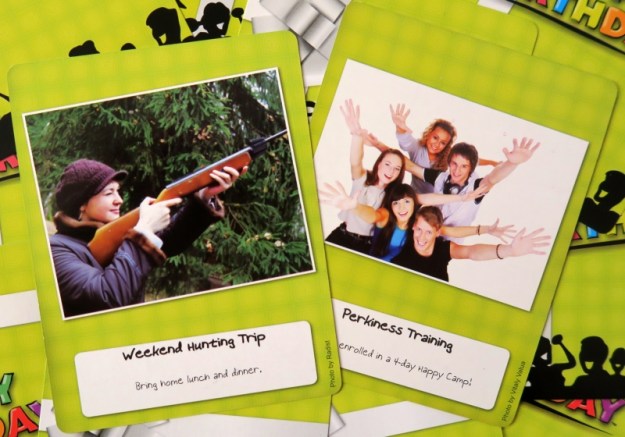
Firstly, the gift cards are fantastic; the pictures are great and the texts that accompany them are just enough to give a flavour while also allowing interpretation. Secondly, the way we play, the Birthday Boy or Girl goes through the gifts reading them out. It is not so much this, as the disgust, excitement or other response as people “open their gifts” that makes everyone smile. Playing board games can be very impersonal—for many people this is a good thing as it allows people who are shy or private to control what they reveal about themselves because everyone focuses on the game. As a result, gamers often don’t really know an awful lot about each other. In playing Crappy Birthday, however, players reveal just a little bit more of their likes and dislikes, helping everyone to get to know each other that little bit better.
Crappy Birthday
– Image by boardGOATS

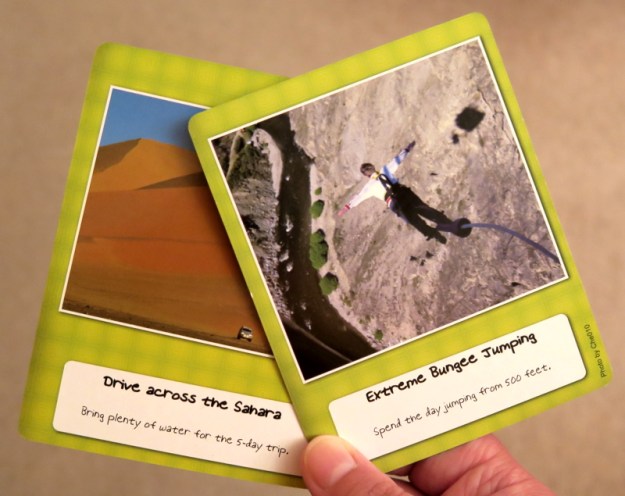
Finally, we only play Crappy Birthday once a year. This is really key, as without this constraint, the cards would get repetitive and the element of surprise would be lost. In terms of game play, it isn’t a very strategic or challenging game, so playing more frequently would likely mean it would quickly outstay its welcome. As it was, Pink started (his birthday was soonest), and he set the tone for the year. As usual, we discovered lots of interesting things about people in the group. Pink surprised everyone with his delight at receiving some Monopoly money toilet paper, though it was a close-run thing between that and a road trip across the Sahara as he’d always fancied participating in the Paris-Dakar Rally. He was much less impressed with the bungee-jump however.
Crappy Birthday
– Image by boardGOATS

Pine was next and this time didn’t get his usual pile of equine and meat flavoured gifts. His choice of a giant lobster sculpture for his front yard was also unexpected, and he explained that it would be interesting to see where it ended up when the kids and drunks in the village decided to move it. On Plum’s turn we discovered that she liked the idea of a one-armed bandit and Chess lessons (no cheating, obviously), but preferred Flying lessons. Pink proved he knew Blue best when she picked a non-electric iron as her favourite gift, while Ivory was disappointed that when Teal eschewed his generous gift of a trip on the first trip to Mars. We discovered that Teal used to play the bagpipes, and that Lime was quite disgusted by the thought of a giant baby sculpture for the front of his house (to be fair, it looked quite hideous and not a little creepy).
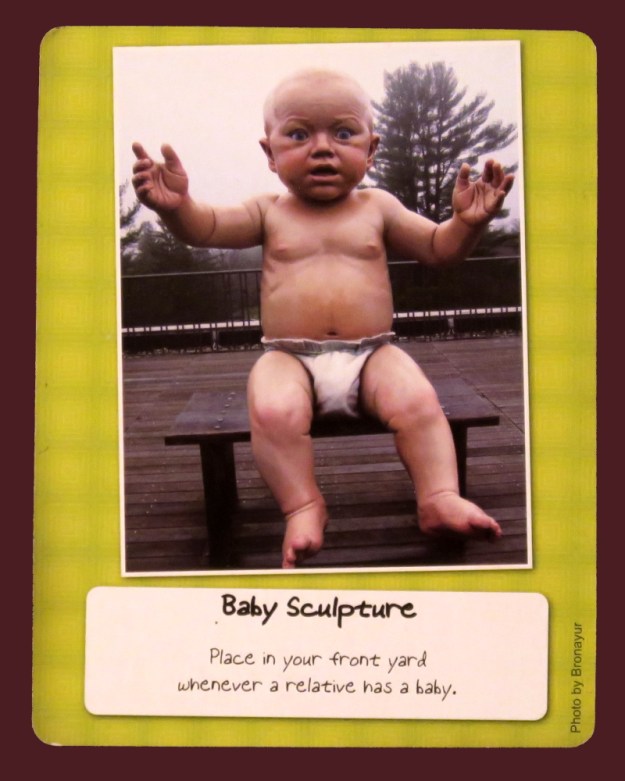
Crappy Birthday
– Image by boardGOATS

Leaping off or out of things seemed to be generally quite unpopular, with a parachute jump being Black’s least favourite gift, though he was delighted by tickets to a live metal music gig. Ivory complained that he kept drawing perfect gifts for people just after their birthday. On his birthday, Pink thought he had a winner when he gave Ivory a snow machine, and everyone else felt the same knowing how much he loves Christmas, but surprised everyone by choosing a space walk as his best gift and a permanent barbed wire fence as his worst. Pine showed his approval when Lemon picked bird watching as her choice gift, and most people could see her point when she ranked her deer-foot lamp as her least favourite.

Crappy Birthday
– Image by boardGOATS

There was more surprise on Purple’s turn when she chose a custom chopper as her best gift, but her dislike of a trip on a submarine was less of a shock. The final birthday of the year was Orange who picked throat rings as his best gift. There was a lot of taxidermy-based gifts so it was perhaps fitting that his less surprising choice of worst gift was a good luck bat (not particularly good luck for the bat if the picture is anything to go by). Not that it really mattered, but everyone knew who the winner was long before the end of the year, as Lemon had managed to get a point in half of the rounds and finished with five points. The race for second place was much closer though with three people taking two and Black and Purple tying with three points apiece.
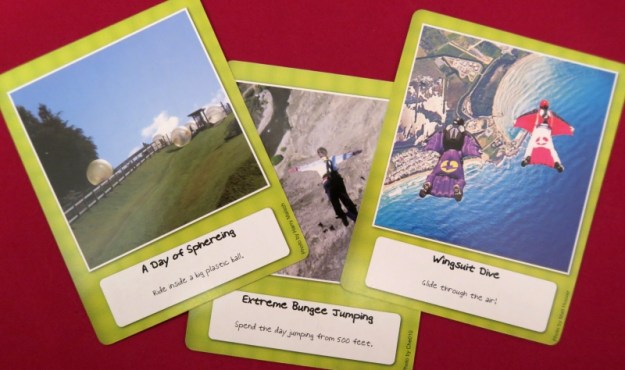
Crappy Birthday
– Image by boardGOATS

There was a lot of chatter, some tidying up and more chatter, before Lime and Teal wished everyone else a good night and enjoyable rest of the party, and those remaining tried to decide what to play. Everyone was very indecisive, so eventually Blue made the executive decision that one group would play New York Slice while the others played Ticket to Ride, and Pink went out to the car to collect the rest of the games that had been left in the car when everything else was brought in.  After some four-player, five-player, no definitely four-player shenanigans as Lemon shuffled from one game to the other, Ivory, Orange, Plum and Pink eventually got going with New York Slice.

New York Slice
– Image by boardGOATS

New York Slice is a re-implementation of …aber bitte mit Sahne, a game we’ve played a couple of times over the summer.  Having enjoyed the pizza version last month, it definitely deserved another outing.  The idea is that one player makes the pizza and cuts it into segments equal to the number of players, then players take it in turns to choose one of the segments.  When a player takes a segment, they can either eat the individual slices or store them for later. Those they will eat are worth points at the end of the game with the score dependent on the number of pepperoni slices on top. The pieces players keep are scored depending on who has the most of each type at the end of the game.
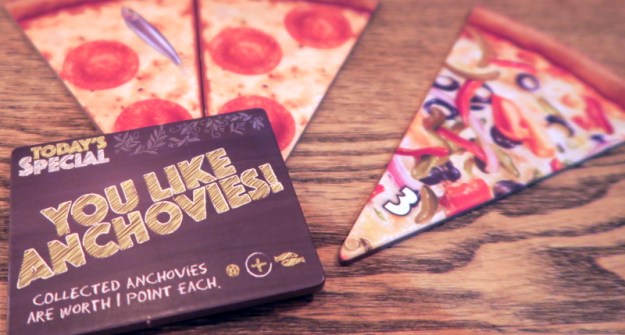
New York Slice
– Image by boardGOATS

Each piece of pizza has a number on it which tells players the number of that type in the game and also what the player with the most will score at the end of the game.  Some of the pizza slices have anchovies on them and any that are visible at the end of the game are worth minus one.  Each pizza is also served with a Special—a side order bonus tile with rule-breaking powers which accompanies one of the portions.  These can be good or bad, and add something to the decision making all round.  This time, the game was very close with just four points between first and last.
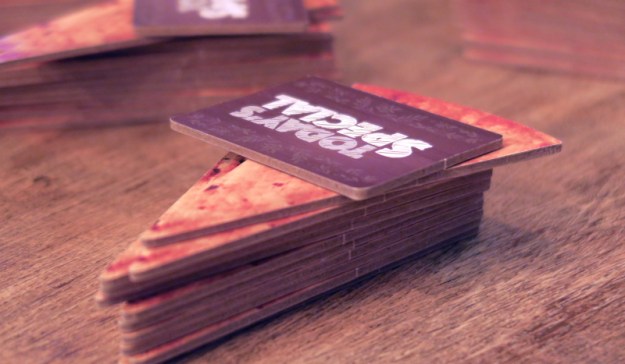
New York Slice
– Image by boardGOATS

As often happens, most people didn’t compete for the majority in the lucrative Meat Feast pizza, instead gobbling up the pepperoni straight away giving Orange the eleven points relatively cheaply.  The most valuable pizzas were collected by Orange and Ivory, whereas Plum made most of her points from her Specials:  “The Everyone-Else Diet” and “Seconds”.  The Everyone-Else Diet” was handy because it gave negative points to everyone else for every two slices eaten.  It was perhaps “Seconds” that just gave her the edge though, as it allowed her to eat one set of slices just before scoring, enabling her to see what she wasn’t winning and eat that.  As a result, she finished a single point ahead of Ivory with Orange taking third.
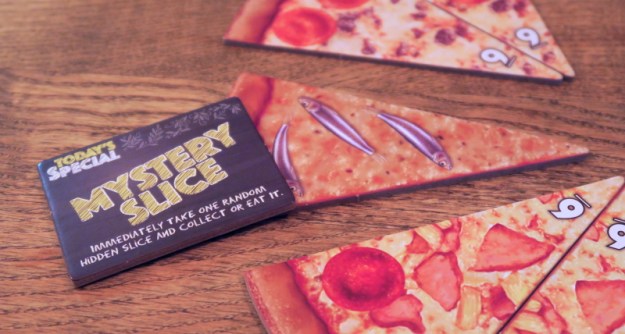
New York Slice
– Image by boardGOATS

Meanwhile, on the next table, Blue, Black, Purple and Lemon settled down to a game of the new Ticket to Ride: San Francisco.  This is the latest in the Ticket to Ride series and is making its debut at Essen this year.  The games all follow the same basic pattern:  on their turn players draw coloured cards, or spend them to place trains on the central map.  They score points for trains placed, but also for completing any tickets they kept at the start of the game or picked up and kept during it.  One of the smaller games, Ticket to Ride: San Francisco only plays four and has fewer pieces so games are shorter.

Ticket to Ride: San Francisco
– Image by boardGOATS

Like all the other versions of the game, however, San Francisco also has a small rules tweak:  when players make a connection to a tourist destination, they can collect a token.  They can only collect one per turn and one from each location.  Each tourist destination has different tokens, and players score bonus points at the end of the game for each different token they have collected.  These points are significant, varying from nothing to twelve, with the number of points increasing exponentially as players add more to their collection.  Otherwise, the map is different and instead of trains, players have cable tram-cars to place, but otherwise it is similar to the other versions of Ticket to Ride.

Ticket to Ride: San Francisco
– Image by boardGOATS

Black’s starting tickets both went north-south, but one was on the east side and the other the west side.  So he picked one and immediately went fishing for a more.  Everyone else was slightly better off, and although Blue’s were better aligned they were fairly low scoring so once she had made a little progress she also took more tickets.  Black and Purple went for the potentially lucrative Tourist tokens, while Lemon kept forgetting to pick them up and ended up collecting a handful at the end.  Although the more a player has, the more they are worth, it turns out that getting the last couple is really difficult, and they are the ones that are worth the most points.
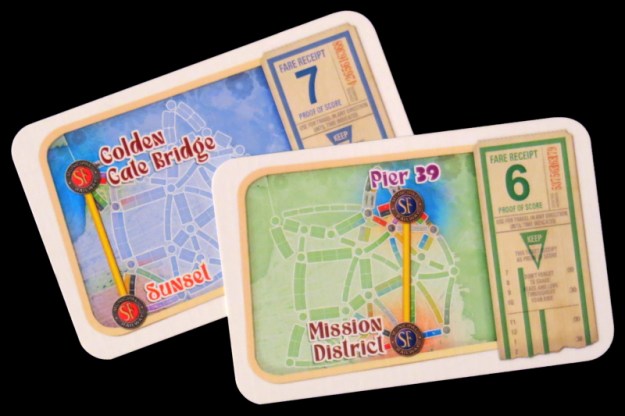
Ticket to Ride: San Francisco
– Image by boardGOATS

Blue tried to claim the long route from Fort Mason to the Golden Gate Bridge, but couldn’t get the multi-coloured-wild or the last yellow card she needed despite the draw deck apparently being stuffed with them.  In the end, she ran out of time as Black brought the game to a swift end.  In the end, it was a really close.  Black had the most points from placing trains on the board, closely followed by Purple, who was also very close to running out.  Blue had the most completed tickets though so it all came down to the Tourist tokens which meant Black edged it by a single point from Blue with Purple just a couple of points behind that.
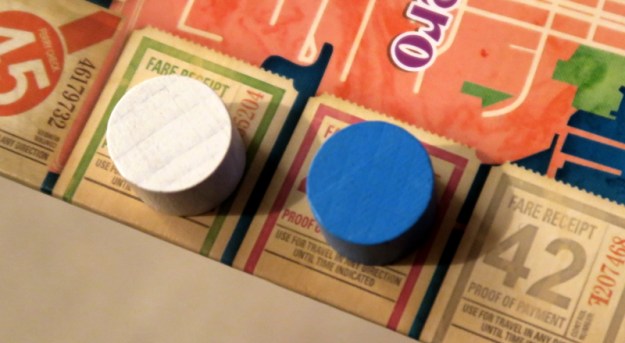
Ticket to Ride: San Francisco
– Image by boardGOATS

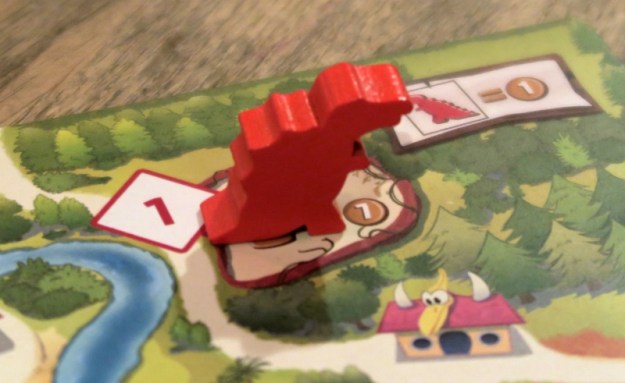
Ticket to Ride was still going on when people had finished their pizzas, so although Ivory headed home, Plum was tempted to stay for one last game of Draftosaurus.  This was new to Orange, so while Pink set up, Plum explained the rules.  Draftosaurus is similar to games like Sushi Go! or Go Nuts for Donuts except that instead of drafting cards, players draft wooden dino-meeples, which players then place in their Dino Park.  Unfortunately, Orange wasn’t familiar with either of those games, so Plum explained that drafting is where players start with a handful of dino-meeples, take one and pass the rest on.
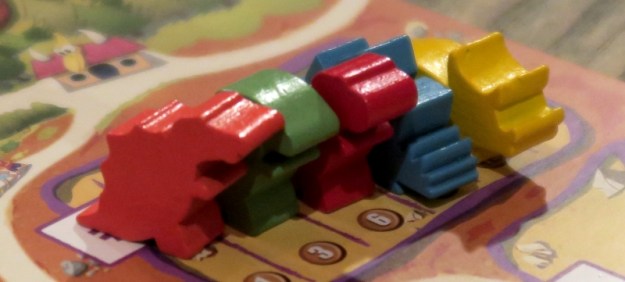
Draftosaurus
– Image by boardGOATS

So, in Draftosaurus, each player begins the round with a handful of wooden dino-meeples and a player board for their dinosaur amusement park.  Everyone chooses one meeple from their handful to place in their park and passes the rest to the next player.  Each turn, one of the players roll a die which adds a constraint on which pens players can place their dinosaur in.  The different pens have different scoring criteria and some also have restrictions.  The game is played over two rounds, with players passing meeples clockwise in the first round and anti-clockwise in the second, ending with twelve meeples in their park.
Draftosaurus
– Image by boardGOATS

The parks boards are double-sided, but this time the group played just one round on the summer side.  The game rocked along quite nicely, though Plum struggled to find mates for the dinosaurs in her Prairie of Love, while Pink and Orange had fun with the Forest of Sameness and Meadow of Differences (which have to have either all the same or all the different dinosaurs in them).  A few scaly beasties ended up being thrown into the river because of the dice restrictions, but everyone did a good job of picking the right King for their Dino Park.  Orange was king of the King of the Dinosaurs with the most Tyranosaurus rex, but he wasn’t the king of Draftosaurus—that was Pink who finished with thirty-nine points and a lot of Hadrosaurs.

2022 Birthday Cupcakes
– Image by boardGOATS

Learning outcome: It’s great to be ten, but bring on eleven!
Boardgames in the News: The Effects of Covid-19 Continue into 2022

The global pandemic has had a huge impact on every area of life, including gaming.  Although a lot game groups have been forced to move their activities online or even close and manufacturers have struggled, there was also a reported increase in games sales (including games as diverse as Monopoly, Dobble and Warhammer) as families searched for activities to keep them amused while stuck at home.  Many games conventions were cancelled or moved online in 2020 and were reduced in size with restrictions put in place for 2021.

Essen 2019
– Image by boardGOATS

It was hoped that 2022 would bring the end of such things, however, it has recently been announced that both the New York Toy Fair and Spielwarenmesse (aka the Neuremburg Toy Fair) have been cancelled.  The company that runs Spielwarenmesse also now also run the International Spieltage, SPIEL (at Essen), but it is not yet clear what effect this will have on that if any.

Boardgames in the News: The Museum of Board Games in Newent

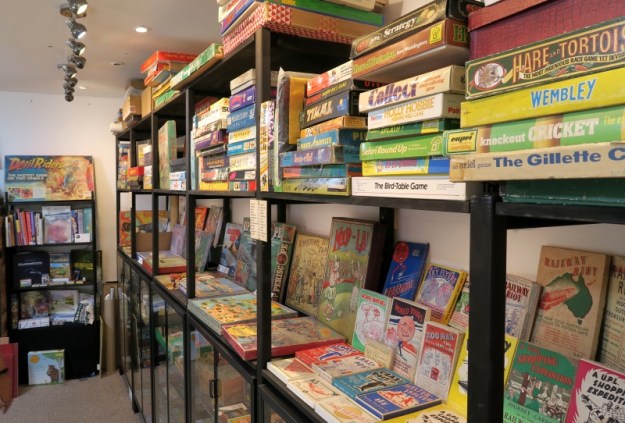
On 28th August, in the small Gloucestershire market town of Newent, The Museum of Board Games opened its doors for the first time.  The owner-curator is Tony Boydell, highly regarded designer of Snowdonia, Ivor the Engine, Guilds of London and Scandaroon amongst other games.  The exhibition is largely the boardgame ephemera he has been collecting over years of designing and playing games with friends and family.

Museum of Board Games in Newent
– Image by boardGOATS

At first sight it doesn’t seem like much—it is very compact, but actually contains a really surprising amount, and the games table front and centre, draws in unsuspecting visitors.  There are always a couple of games out on this table for people to fondle and play.  This could be anything from the fantastic War of the Daleks to Tiddley-Golf or Froschkönig.  As well as exhibits available to play, there are also little quizzes to encourage people to explore the displays and everything is labelled and tagged by the museum cat.

Museum of Board Games in Newent
– Image by boardGOATS

For the most part The Museum of Board Games comprises games from the 20th century, but there are also copies of The History of England (until George III) from 1803 and more recent games like Glory to Rome and Ticket to Ride: The Card Game.  The most unusual and rare pieces are on display in cases, but one of the nicest things about the museum are the stacks of game boxes ready to be taken off the shelf and looked at in detail.

Museum of Board Games in Newent
– Image by boardGOATS

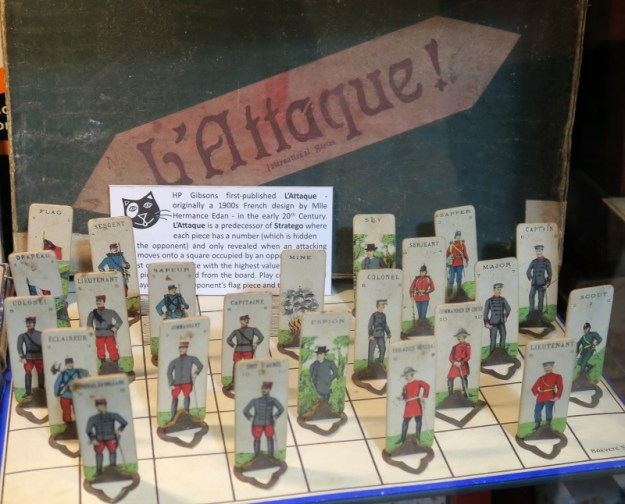
When anyone shows an interest in something, it will readily will come out of its box for closer inspection.  There is a remarkable number of games with a tie-in to TV shows, but also unusual items like a beautiful home-made copy of Monopoly themed round Richmond (London) and copies of L’Attaque! (which became better known when it was reimplemented as Stratego).

Museum of Board Games in Newent
– Image by boardGOATS

In recent years, there have been exhibitions at the V&A Museum of Childhood and The British Museum, but this is a much better experience.  Although the exhibits are (of course) the centre of the museum, what makes a visit really special is the curator, Tony Boydell himself, and his remarkable knowledge of the games on display and of games in general.  Tony can talk for hours on the subject (and he will, if you let him), and as conversation meanders, he will reveal more treasures from the nooks and crannies of the museum.

Museum of Board Games in Newent
– Image by boardGOATS

As an afternoon out, the Museum of Board Games is well worth a visit, though speculative visitors should be aware that it is currently only open on Fridays and Saturdays (10am-4pm).  It is also exceptional value, but anyone who really wants to support the venture, should visit the museum’s Patreon page.  For those who can’t visit in person, there are a couple of reports on the BBC as well as Tony’s Blog on Board Game Geek.

Museum of Board Games in Newent
– Image by boardGOATS

Boardgames in the News: The Monopoly Community Update

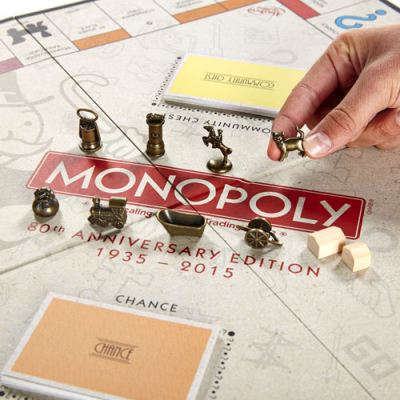
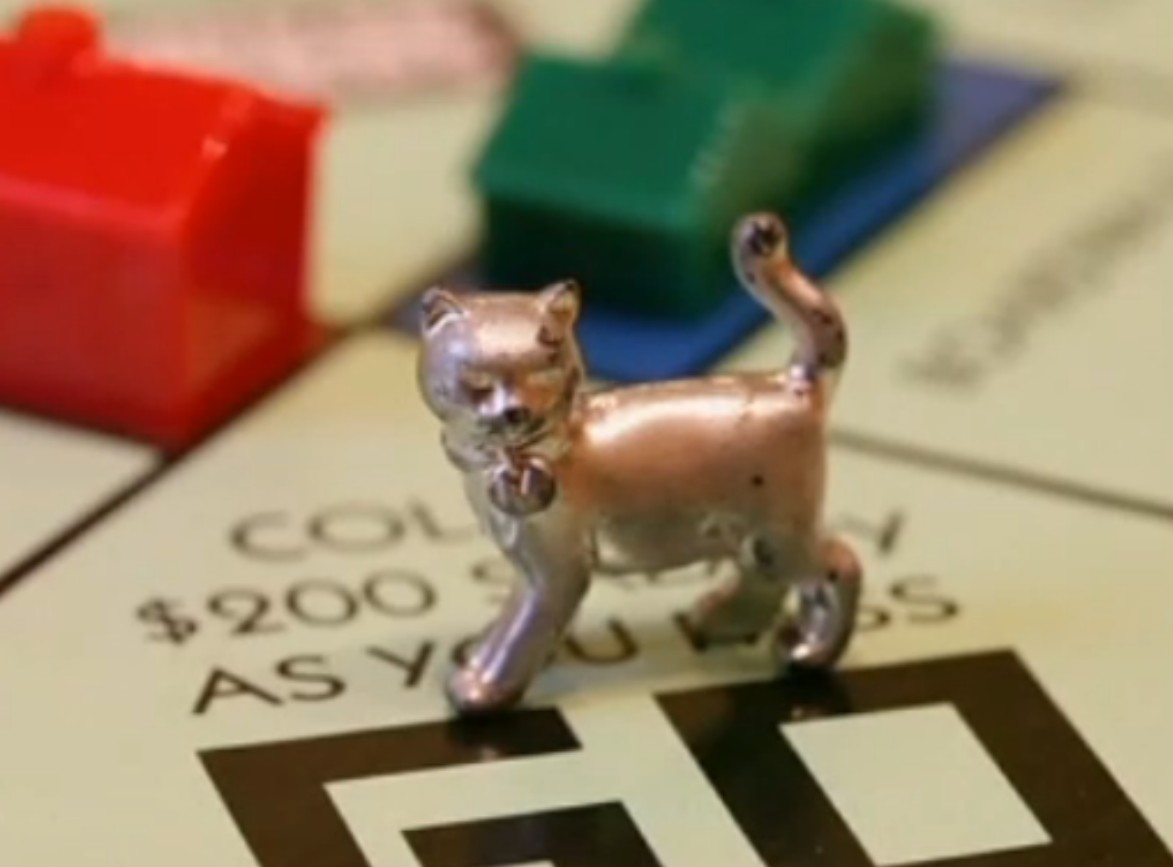
As well as the variety of different editions, over the years, there have been a number of updates to the classic Monopoly game.  These include include changes to the iconic cast iron tokens including the popular addition of the cat a few years ago. In the eighty-six years of the Monopoly Brand, however, the Community Chest cards have remained unchanged.  Until now that is.

Monopoly Cat Token
– Image of unknown origin

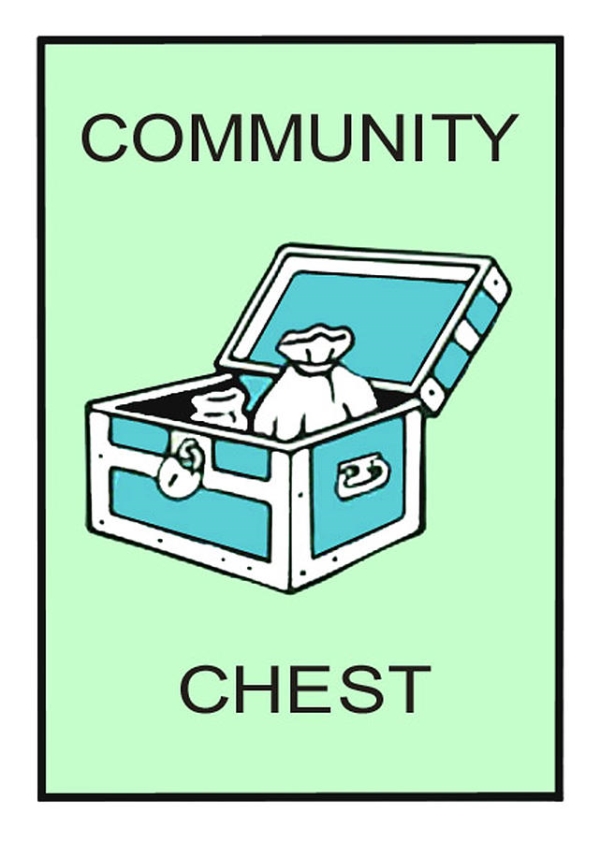
The original Monopoly game was set in Atlantic City; according to The Monopoly Companion by Phillip Orbanes, the Community Chest was the city’s “forerunner of the United Way” and was a welfare organisation.  For this reason, the Community Chest cards mostly give players money (compared with the Chance Cards which usually move players to another space).  There are just sixteen Community Chest cards in the classic Monopoly game, and the space is marked by the iconic treasure chest logo.

Monopoly
– Image from
fineartamerica.com

The Community Chest cards currently include include “Bank error in your favour, “Hospital fees” and “You have won second prize in a beauty contest,” and do sound a little dry and out-dated.  So, yesterday, Hasbro announced that they will be changing all the cards and asking the public to vote for possible replacements with the new version available in Autumn.

Monopoly Vote
– Image by boardGOATS from
monopolycommunitychest.com