20th July 2021 (Online)
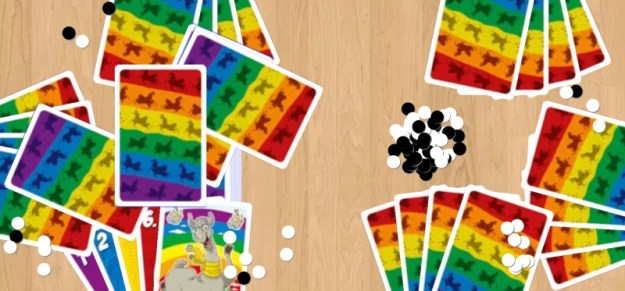
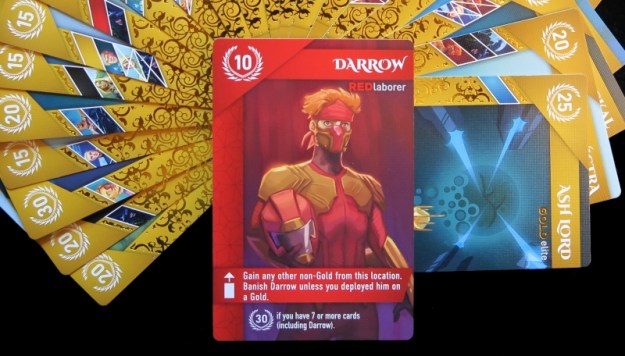
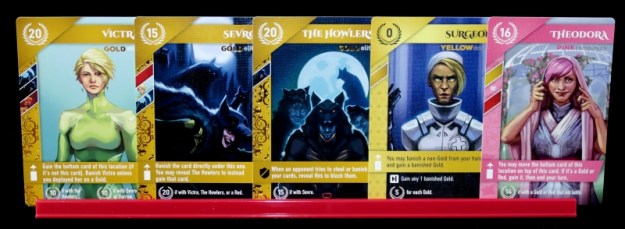
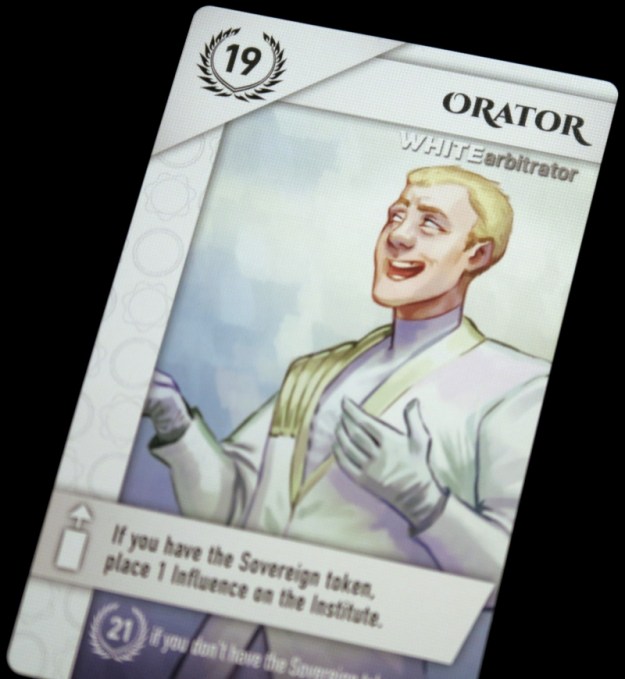
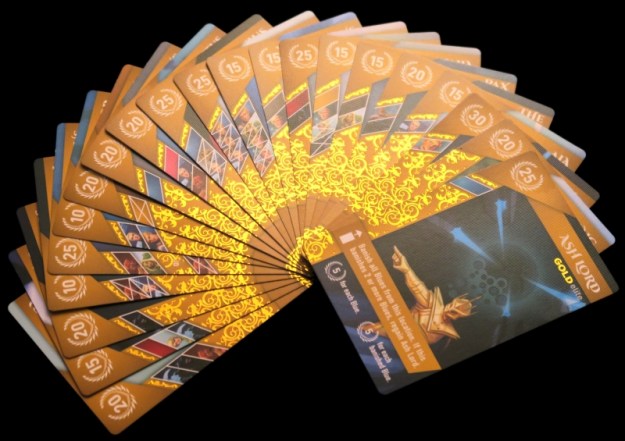
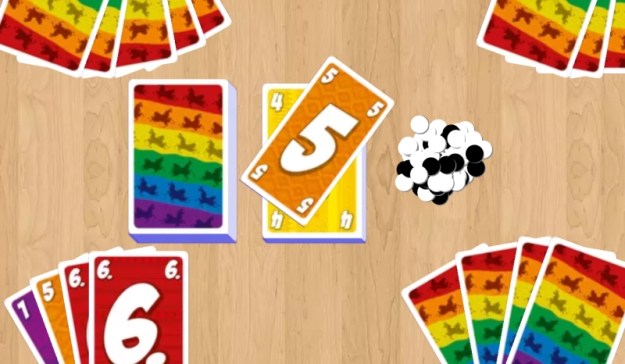
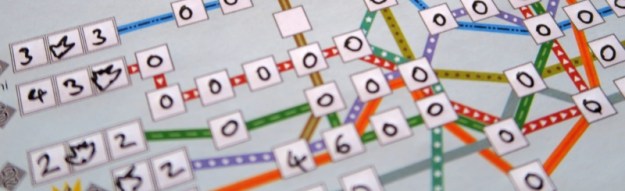
Since last time, there had been quite a bit of debate about returning to the Horse and Jockey, but there was a little hesitancy and with the extremely hot weather, staying at home this week turned out to be the right choice all round.  As the decision had been just a little bit last-minute, we chose to keep the “Feature Game” simple and opted for the Skills Mini Expansion for Cartographers.  We have played Cartographers several times and everyone has really enjoyed it.  With the Spiel des Jahres winners announced this week, this was also the nearest we could get to playing a game to mark the occasion (it received a nomination for the Kennerspiel award last year).

Cartographers: A Roll Player Tale
– Image by boardGOATS

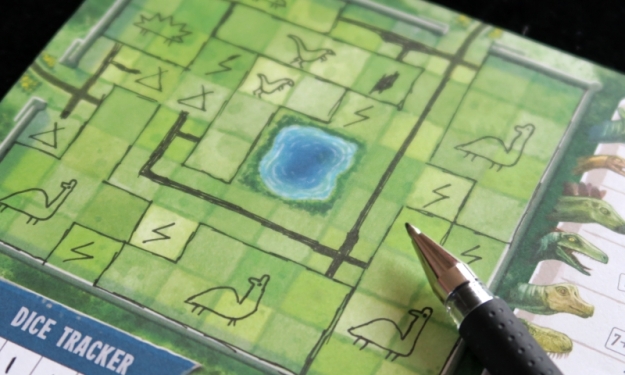
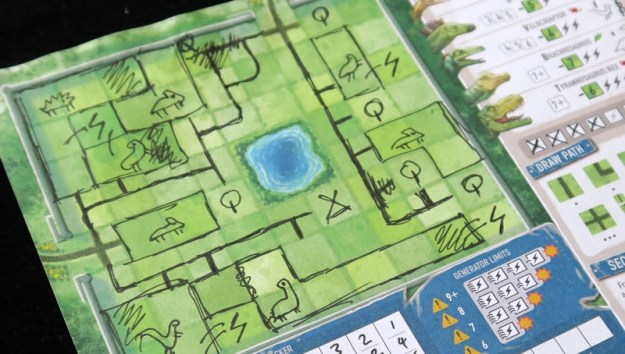
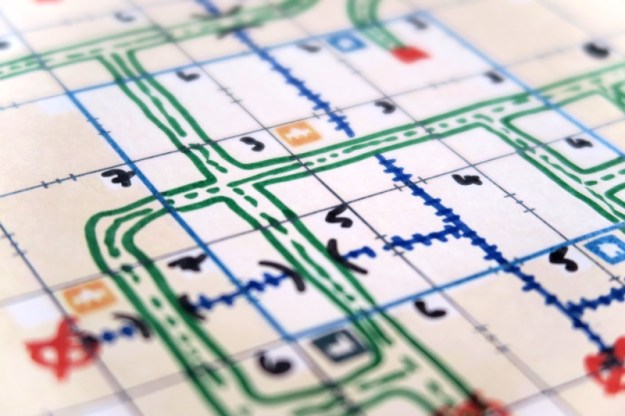
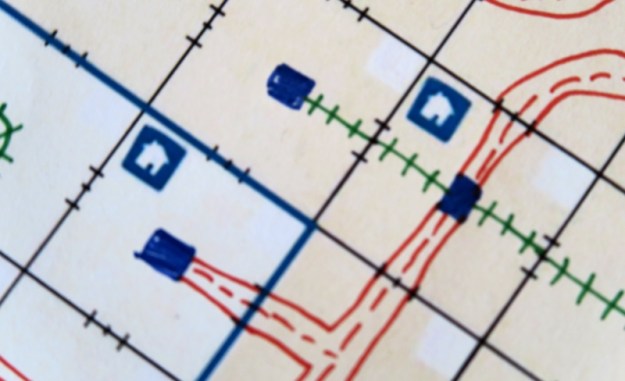
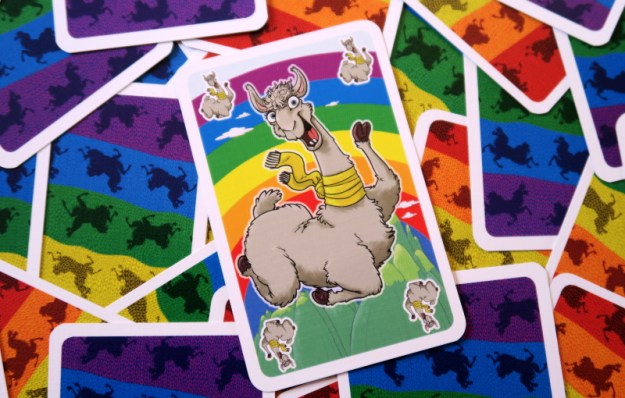
Cartographers is a “Roll and Write” type of game, but one with more of a “gamery” feel than most.  It is based on Tetris, with shapes revealed on the flip of a card in a similar way to other games we’ve played this year like Second Chance and Patchwork Doodle.  However, the thing that makes Cartographers more “gamery” than these is the addition of terrain and players usually have to make a choice, either of the shape or the terrain.  The terrains are tied in with goal cards, four of which are revealed at the start of the game.  Two goals are then scored at the end of each of the four seasons, in a similar way to another game we like, Isle of Skye.

Cartographers: A Roll Player Tale
– Image by boardGOATS

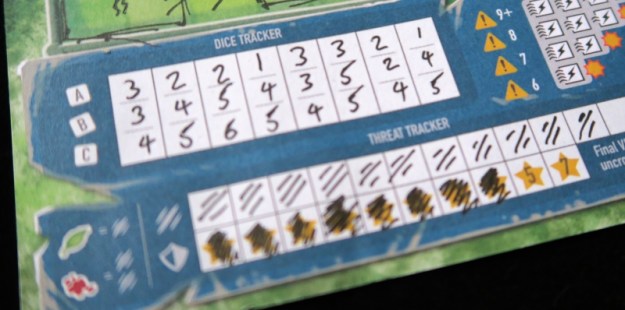
There are lots of other little aspects of the game that make it interesting—the presence of Ruins and Ambush Cards in the deck, for example, deliver a curved ball, just when players feel they are in control.  Players can also build their income by surrounding mountain ranges and choosing to play certain shapes; this gives more points at the end of each round.  The Skills expansion gives players a way to offset this income for special actions which potentially give players other ways of achieving their goals, further adding to the decision space.

Cartographers: A Roll Player Tale
– Image by boardGOATS

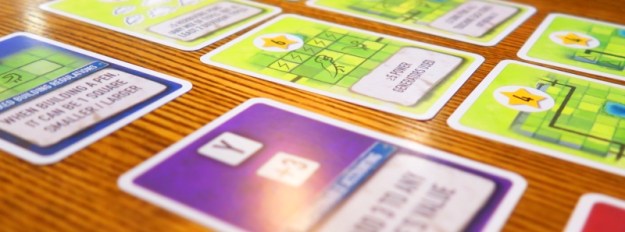
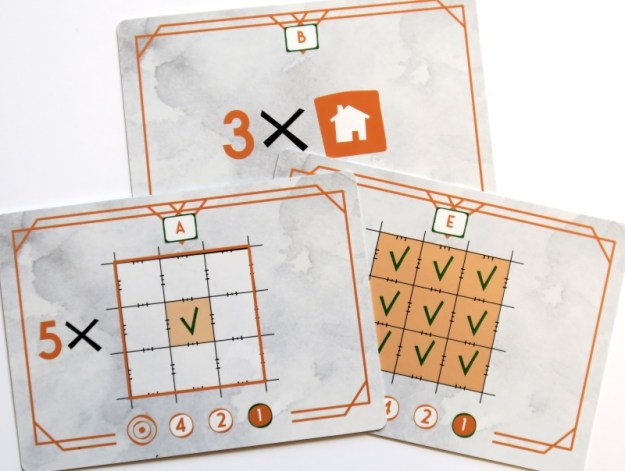
One of the most impressive things about Cartographers is the amount of variety that is built into the game, which means every play feels different and the game stays remarkably fresh.  So, there are two different player maps and four of each type of goal card.  This variety is carried through to the Skills expansion; there are eight cards of which three are chosen at random.  This time we chose the B side of the map (with empty “wasteland” spaces marked) and drew the Greenbough, Mages Valley, Wildholds and Borderlands goal cards together with the Search, Negotiate and Concentrate skills cards.  These skills cost anything from free (like Search) to three (like Concentrate), and each can be played multiple times per game although only one can be played each Season.

Cartographers: Skills Mini Expansion
– Image by boardGOATS

We quickly realised that the expensive skills like Concentrate are only likely to be played in the final round, as the cost is in “income” and that income is generated at the end of every round.  So, playing Concentrate at the start of the game will ultimately cost a player twelve points, while playing it in the final round will cost three just three points.  For this reason, the free Search skill was always likely to be used by almost everyone in almost every season (and so it proved).  Of course, the higher tariff reflects the increased power though:  Search allows players to increase the size of the shape they are drawing by a single square; Negotiate (which costs one) allows players to draw a two-by-two shape, and Concentrate allows players to draw the shape a second time.

Cartographers: A Roll Player Tale
– Image by boardGOATS

As well as the skills which we had not played with before, several of the goal cards were new to us as well, including Greenbough (which rewards gives players one point per row and column with at least one Forest square in it) and Mages Valley (which gave points for each space next to a Mountain—two points for each Lake and one point for each Arable).  We’d played with the Wildholds goal before though (which gives six points for each Village of six or more spaces) and, although Borderlands was new to us (which give points for each completed row or column), we’d played The Broken Road goal which is similar (giving points for completed diagonals).

Cartographers: A Roll Player Tale
– Image by boardGOATS

The game began much as usual, and Pink, who was watering the tomatoes in the “mini-market-garden”, commented that he could hear Burgundy muttering, sighing and generally sounding stressed from outside.  Although we had played with “Wastelands” before, we had all focussed on how the fact some of the spaces were already full would help.  We had all forgotten how much the Wastelands obstruct plans and generally make life considerably more difficult.  Blue made a bit of using the ruins spaces to give her more flexibility later, but had forgotten that it would reduce the number of spaces she would be able to fill later in the game.

Cartographers: Skills Mini Expansion
– Image by boardGOATS

It was clear after the first round that Ivory was going to be tough to beat, a feeling that was cemented after the second round.  Unusually, Burgundy was the first to post a score, with a total of one hundred and forty-one.  Although this was high enough to earn him second though, when Ivory’s score came through he was a massive twenty-five points ahead.  Once again, it had been a very enjoyable game, and as we tidied up there was a little bit of chit-chat about the skills and what they added to the game.  Since they are not compulsory, the consensus  was that we should add them every time, though it was clear that they had been widely used because of the presence of the free Search skill, which everyone had used, and some in every round.

Cartographers: Skills Mini Expansion
– Image by boardGOATS

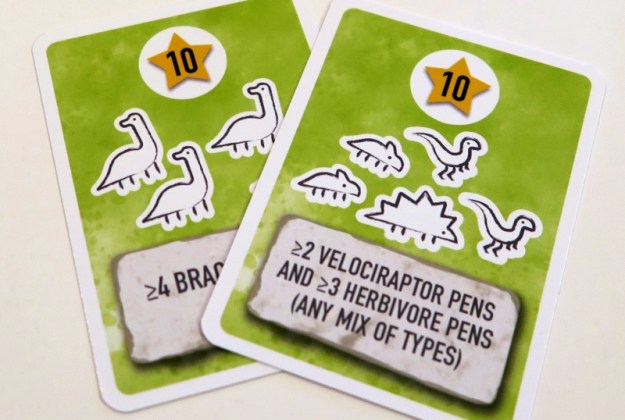
With Cartographers over, we had a bit of a discussion about moving back to our much loved and greatly missed, Horse and Jockey.  We’d conducted some anonymous surveys over the preceding week to try to gauge opinion trying to ensure that nobody felt under pressure to do anything they weren’t comfortable with.  Some of the group had been back on occasional Thursdays, playing old favourites like The Settlers of Catan, Wingspan, and Roll for the Galaxy and new games like Red Rising, Mercado de Lisboa, Ticket to Ride: Amsterdam, Tapestry (with the Plans and Ploys expansion), Ginkgopolis, Everdell, and Draftosaurus (aka “Sushi Go with Dinosaurs”).  Others, however, had not been to the pub for nearly eighteen months.  After some discussion, we decided that we’d schedule a trial visit in ten days time, so that those who had not been out could see how they felt without committing, and those that went could report back to those that were feeling a little more reticent.

The Horse and Jockey
– Image by boardGOATS

After that, we moved onto Board Game Arena.  It was a quiet night without both Pine and Lime, and once Green and Ivory had left as well, we were down to five which gave us a lot of options.  Coloretto was one, but in the end we chose Niagara, a game we’ve all played quite a bit, but never online, and we were keen to see the new Board Game Arena implementation and whether losing the tactile moving river would leave the game lacking.  A strong element of the game is the element of simultaneous play, however, and this was a large part of the appeal this time.  Players simultaneously choose a Paddle Tile which dictates how far their canoe will move in the round.  Then, in turn order, players move their canoe up or down the river, paying two movement points to pick up a gem from the bank (or drop one off).

Niagara
– Image by BGG contributor El_Comandante
adapted by boardGOATS

The winner is the player to get four gems of the same colour, five gems of different colours, or any seven gems safely home and into the shallows.  On the face of it, this is relatively simple, but the really clever part of the game is the movement of the river.  In general, the river moves at the speed of the slowest boat—if the lowest numbered Paddle Tile is a two, then the river moves two spaces and all the boats move with it.  However, one of the Paddle Tiles is a weather tile which enables players to increase or decrease the rate to make life harder or easier.  Since everyone has to play all their Paddle Tiles before they can recycle them, the timing of their weather tile is critical: players who leave it to the end run the risk of the river running fast and losing boats over the cascade because they can’t do anything about it.

Niagara on Board Game Arena
– Image by boardGOATS
from boardgamearena.com

And it wasn’t long before that’s exactly what happened, when both Blue and Black got their timing wrong and lost boats over the falls, so had to pay hard earned gems to get new ones.  Then, to add insult to injury, Pink sneakily crept up on Blue and stole another gem from her.  Players can only steal if they land on the same space as another boat while travelling upstream, and even then it is a choice.  There was much ill feeling especially from Blue, but she wasn’t the only one.  And with that, the gloves came off and everyone tried to redress the balance and ensure that such bad behaviour would not go unpunished.

Niagara on Board Game Arena
– Image by boardGOATS from boardgamearena.com

Pink was abreast of that though and had a plan.  Knowing his bad behaviour would make him a target he collected gems in one boat letting others take them while he stole the gems he wanted and got them to shore quickly.  Much to everyone’s disgust, he soon had five different gems and there was nothing anyone could do to stop him getting them home.  Burgundy actually had more gems giving him a nominally higher score, but his set of six did not include five different colours and Blue’s set of five included three nuggets of amber.  The victims of Pink’s grand larceny were unimpressed with his terrible behaviour, and as it was getting late, we decided to call it a night.

Niagara on Board Game Arena
– Image by boardGOATS
from boardgamearena.com

Learning Outcome:  Theft is totally unforgivable.

UK Games Expo 2021 – Surviving Covid

Last weekend was the fourteenth UK Games Expo after the cancellation of last year’s. Sometimes known as UKGE, or simply Expo, UK Games Expo is the foremost games event in the UK, but like so many events, fell victim to the pandemic in 2020.  This year was quieter than usual, with everything more spread out and some notable absentees (most obviously Asmodee).  The UK Games Expo Awards were handed out as usual, and those that went enjoyed themselves and found the “Covid Measures” sufficiently secure without being too onerous.  None of the group regulars went this time, but that was largely due to other circumstances, so we are looking forward to next year.

UK Games Expo Logo
– Image by boardGOATS

Next Meeting, 20th July 2021 – Online!

Although restrictions are lifting, it is with a heavy heart that we’ve decided this week is too soon to return to the Horse and Jockey.  Therefore, our next meeting will be on Tuesday 20th July 2021; we will gather from around 7.30pm, and start playing at 8pm.

This week, the “Feature Game” will be the Skills Mini Expansion for Cartographers.  We have really enjoyed playing Cartographers several times and, with the Spiel des Jahres winners announced this week, this is the nearest we can get to playing a game to mark the occasion (it received a nomination for the Kennerspiel award last year).  The Skills expansion gives players a way to spend the coins they earn, enabling them to find other ways of achieving their goals.

Cartographers: Skills Mini Expansion
– Image by BGG contributor kalchio

And talking of skills…

Jeff was applying to be a policeman.  To test their skills in recognizing a suspect, the interviewer showed Jeff and another candidate a picture for five seconds and then hid it.

“This is your suspect, how would you recognize him?” he asked.

The first candidate answered, “That’s easy, we’ll catch him quickly because he only has one eye.”

The Interviewer said, “Well… That’s because the picture I showed you is his profile.”  He turned to the second candidate, “How would you recognize him?”

The second candidate smiled and said, “He’d be easy to catch because he only has one ear!”

The interviewer responded, “What’s the matter with you two?!?!  Of course only one eye and one ear are showing because it’s a picture of his side profile.  Is that the best answer you can come up with?”

Becoming frustrated at this point, he turned to Jeff, the third candidate, and asked, “How would you recognize him?”  The interviewer added quickly, “Think hard before giving me a stupid answer.”

Jeff thought for a moment, and then slowly said, “The suspect wears contact lenses.”

The interviewer was somewhat taken aback, because he really didn’t know himself whether the suspect wore contacts or not.  “That’s an interesting answer,” he said.  “Wait here for a few minutes while I check his file and I’ll get back to you on that.”

He left the room, went to his office, checked the suspect’s file on his computer and came back with a beaming smile on his face.  “Wow—it’s TRUE! The suspect does, indeed, wear contact lenses. Excellent work! How were you able to make such an astute observation?”

“That’s easy,” Jeff replied. “He can’t wear normal glasses because he only has one eye and one ear.”

6th July 2021 (Online)

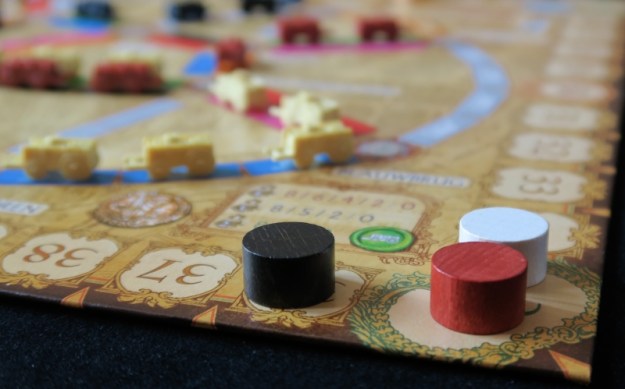
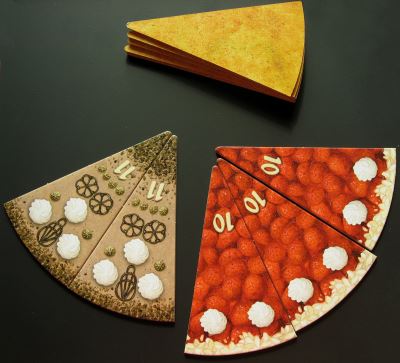
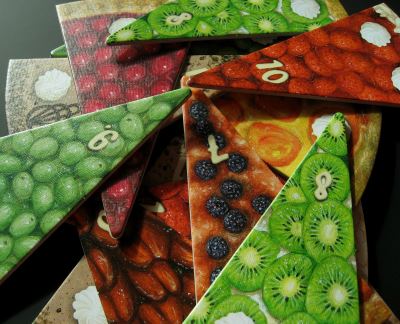
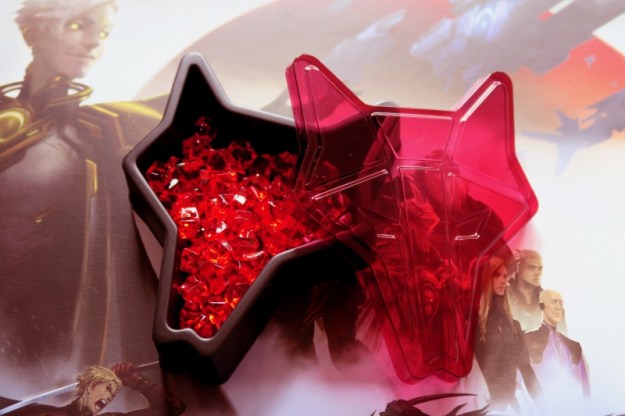
After the usual pre-game chatter (this time focussed largely on the village of Standlake—north of The River, Tut!), we settled down to play the “Feature Game“.  This was the new Railroad Ink Challenge: Shining Yellow Edition.  We have played Railroad Ink: Deep Blue Edition several times, both with and without the mini expansions and have really enjoyed it.  This new version steps it up a little with several new “Challenges” to add to the base game.

Railroad Ink: Deep Blue Edition
– Image by boardGOATS

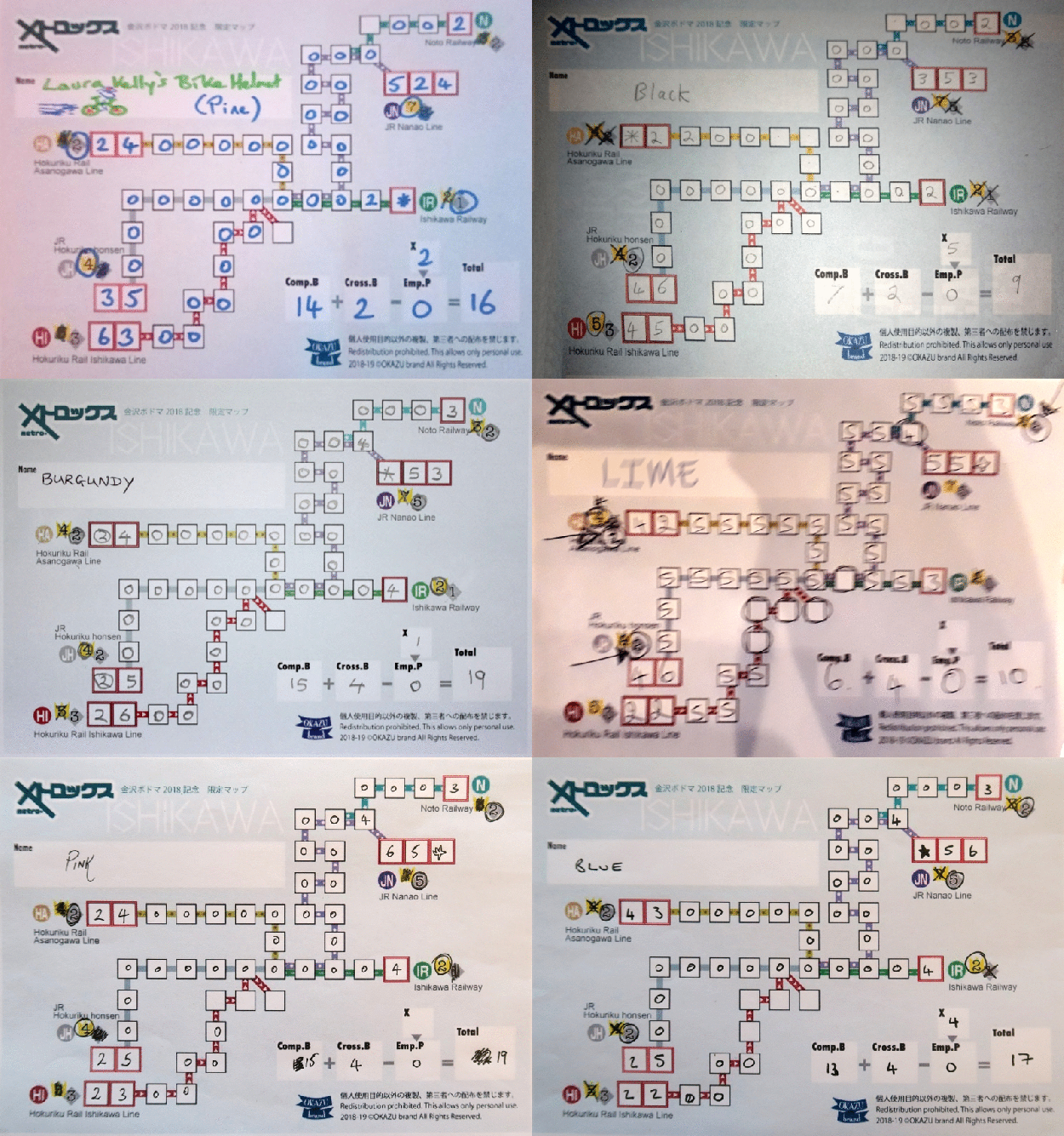
The basic idea is very simple:  four dice are rolled and players have to draw all four pieces of track on their player board.  These must either extend a previous section of road or track, or start at one of the red entrance “arrows”.  Three times during the game, players can, additionally, draw one of six special intersections with only one per turn.  Players score points for the longest sections of road and track, connecting red entrance “arrows” and for filling the central nine squares, losing points for any unconnected, “hanging ends”.

Railroad Ink: Deep Blue Edition
– Image by boardGOATS

The “Challenge” editions of Railroad Ink add special spaces which represent villages, factories and Universities (though we referred to them as “Houses”, “Spectre Octopi” and “Fingers  Pointing Up”).  These give extra point scoring opportunities and a chance to get an extra “special” section.  It also includes goal cards which give players even more chances to score more points.  These work a bit like the scoring in Noch Mal!, where the first players to complete a “Challenge” score maximum points and others who achieve it later score less.  These provide a lot of variety to the game, especially when combined with the additional mini expansions that each game comes with.

Railroad Ink: Shining Yellow Edition
– Image by boardGOATS

The first thing we noticed was that the dice we had didn’t seem to make sense—there weren’t enough simple straight and simple bend sections.  It quickly became apparent that we had the wrong dice in the box.  Fortunately, we also had the Lush Green Edition, so we stole the dice from that and carried on.  It quickly became apparent that somehow this was much more difficult than the original Blue Edition that we had played so many times.  It wasn’t clear whether this was just an unfortunate series of dice rolls, or whether it was a function of the fact players were trying to do more things which forced them to compromise more, or even the new back-to-back corners.

Railroad Ink Challenge: Shining Yellow Edition
– Image by boardGOATS

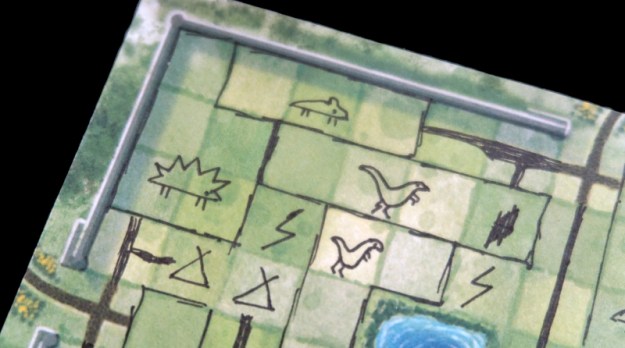
Either way, it was clear that people had a lot of “hanging ends” and were desperately hoping for “good rolls” (perhaps cheese and pickle rather than egg and cress…).  Most people managed to make something out of their spaghetti-like network though, and before long it was time to compare scores.  Ivory was in charge of the Tusk-lets, so in his absence it was left to Pine to set the target score.  When Pine reported his fifty-three, everyone knew it was a good score from Burgundy’s response of “Bugger.”

Railroad Ink Challenge: Shining Yellow Edition
– Image by boardGOATS

Black matched Pine, and Pink thought he’d pipped them by one point with his fifty-four, but Blue had the beating of all of them finishing with fifty-seven points.  The score survived Pink’s recount, in what had actually been quite a close game.  It had been a reasonably quick game, so we moved on to play Take it Easy!, a tile-laying game we played back in February, but had really enjoyed.  Each hexagonal tile has three pipes crossing it, in three different colours.  Tiles are drawn from a stack one at a time, and each player adds them to their personal player board.

Take it Easy!
– Image by boardGOATS

The tile placement rules are simple:  the tiles can be placed anywhere on the board but must be placed the right way up which fixes the directions of the nine different coloured pipes.  Players score points for any pipes that contain only the one colour, and that score is the number of tiles in the pipe multiplied by the number on the pipe. Thus, the highest scores are achieved by locating the high value pipes so they go through the middle.  Although there are a maximum of fifteen pipes, it is almost impossible to complete all successfully, especially as there are some tiles that are not used.  So, there is an element of chance as well as hedging bets.

Take it Easy!
– Image by boardGOATS

It quickly became clear to Blue that she wasn’t going to be in the running this time, and others felt the same, knowing they had not done as well as they felt they should have done.  Pink, however, once again thought he’d got it in the bag with his score of one hundred and forty-five, ten more than the hitherto next score, by Black.  That was until Green reported a massive score of one-hundred and seventy-three.  Everyone else, some thirty points behind struggled to believe it, but he’d simply made better use of the tiles as everyone else had been waiting for yellow (nine point) tiles to come out.

Take it Easy!
– Image by boardGOATS

With that, we decided to move onto Board Game Arena.  There were lots of options, but Green was keen to share a game he had recently discovered called Hugo: Das Schlossgespenst (aka Escape from the Hidden Castle).  This is a light, family roll-and-move type game, where players take on the role of guests at a party, trying to escape from “Hugo the ghost”.  Hugo starts in the cellar, but quickly moves up to the gallery, chasing any guests that have not been able to escape into one of the side rooms.

Hugo: Das Schlossgespenst
– Image by BGG contributor duchamp

The catch is that even when apparently safe in a room, if another guest guest rolls exactly the right number the resident can be evicted, inevitably right into Hugo’s path.  When Hugo catches someone, they go into the basement and, the deeper they go, the more “Fright Points” that player gets.  The aim of the game is to finish with the fewest “Fright Points” after Hugo has been round the gallery seven times is the winner.

Hugo: Das Schlossgespenst
– Image by boardGOATS
from boardgamearena.com

Although the game seems like it is just a simple roll-and-move game, there is a little bit more to it than that.  Players are in charge of more than one guest, so they have to choose which one to move on each turn.  This decision will depend on where their pieces are with respect to Hugo, but also which rooms are closest, which rooms are empty and whether they can get one of their guests into one of the two “safe rooms” that give players negative “Fright Points”.  In practice, this isn’t much of a decision because after a couple of rounds, Hugo is moving so quickly, escape is the only thing on the players’ minds.

Hugo: Das Schlossgespenst
– Image by boardGOATS
from boardgamearena.com

Although the game didn’t take the five minutes advertised, it didn’t take too long.  There was much humour when one of Blue’s guests stuck its head up Pine’s frock, and likewise, when one of Pine’s stuck its head up Burgundy’s frock.  It was very clear to everyone that Green’s prior experience was the explanation for why he very nearly won—it is a game that is all skill of course.  In the event, however, Pine pipped him to the line by just one “Fright Point”.  And with that strangeness over, and this possibly being the last online game session, it seemed fitting to end with the reigning Golden GOAT winner, 6 Nimmt!.

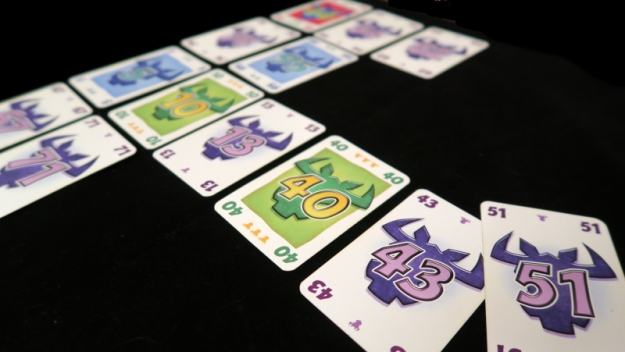
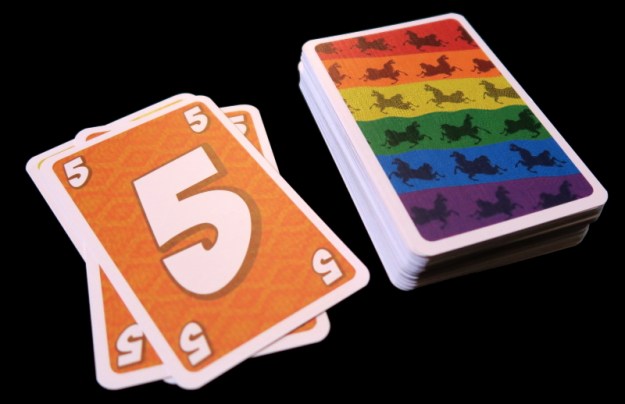
6 Nimmt!
– Image by boardGOATS

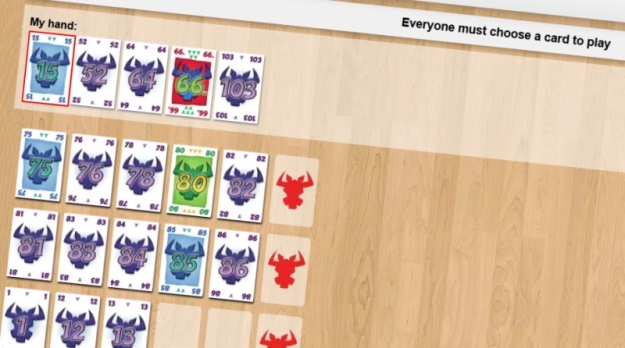
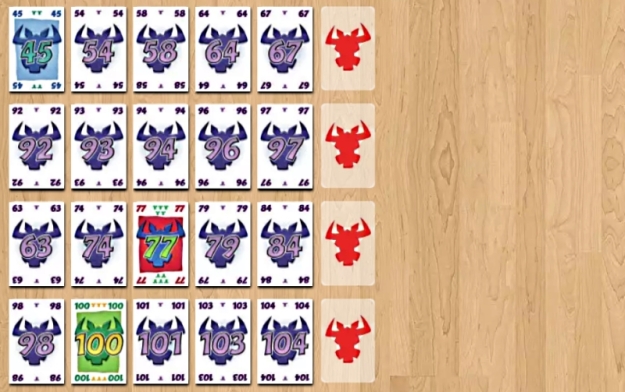
Over the last year or so, we’ve played 6 Nimmt! more than anything else, way more, simply because it is fast, fun, and skirts the fine line between tactical masterpiece and unpredictable luck-fest.  Players simultaneously choose cards that are placed at the end of one of four rows. The player who places the sixth card in a row, instead picks up the other five and their card becomes the first card in the row.  In the Board Game Arena version of the game, players start with sixty-six “Nimmts”, losing some each time they pick up.  The winner is the player with the most “Nimmts” or points when one player’s tally falls below zero.

6 Nimmt! on Board Game Arena
– Image by boardGOATS from boardgamearena.com

Playing with the “Professional Variant”, cards can be added to both ends of the rows, simultaneously adding control and chaos in equal measure.  This time, Burgundy was the first to pick up cards, but Green was the first to begin the race to the bottom in earnest.  His personal roller-coaster ride hit maximum speed when he picked up a remarkable eighteen “Nimmts” on one turn.

6 Nimmt! on Board Game Arena
– Image by boardGOATS from boardgamearena.com

For most of the game, everyone was very, very close, except for Green, but then everything went wrong for everyone and the scores plummeted.  Green inevitably triggered the end of the game though, but the final scores were surprisingly close aside from him.  Despite picking up fifteen points on his final card, Burgundy finished with six “Nimmts” more than Pine and Blue who tied for second place.  And with that, it was time for bed.

6 Nimmt!
– Image by boardGOATS

Learning Outcome:  Watch out, watch out, there’s a Hugo about!

Spiel des Jahres Winners – 2021

The 2021 winner of the coveted German Game of the Year or Spiel des Jahres award has been announced as MicroMacro: Crime City.  This is an unusual choice in that it is very different to most traditional games and arguably is more a cooperative crime-solving activity using the medium of “Where’s Wally?“.  The “game” is played on a large monochrome map, with a deck of cards.  The cards ask questions with the answers to the questions on the map.  In turn, these lead the players to the solution to each of the sixteen cases.

– Image by BGG contributor Hipopotam

As a family challenge, MicroMacro: Crime City can certainly be a lot of fun, though it might not be seen as a game in the traditional sense.  There has been an increasing tendency by the committee to reward games that challenge the conventional idea of a game, with notable nominees including the 2018 Spiel des Jahres nominee The Mind, 2019 Kennerspiel nominee Detective: A Modern Crime Board Game, and the 2017 Kennerspiel winner, the Exit: Das Spiel series.  While this may make games more relevant to more people, it also means the Spiel des Jahres awards increasingly are less applicable to more traditional gamers.

– Image by BGG contributor kalchio

As usual, the Kennerspiel des Jahres was awarded at the same ceremony. This award honours slightly more challenging games and this year went to Paleo. This is a co-operative campaign game, where players try to keep the human beings in their care alive while completing challenges. The Kinderspiel des Jahres award winner was announced last month and went to Dragomino, a children’s version of Kingdomino where players are hunting dragon eggs.  As usual, congratulations to all the winners and nominees, in what has been a very difficult year for everyone.

MicroMacro: Crime City
– Image adapted by boardGOATS from the
live stream video on spiel-des-jahres.de

Next Meeting, 6th July 2021 – Online!

Although it feels like the end is in sight, we have at least one more games night before we can return to the Horse and Jockey.  Therefore, our next meeting will be on Tuesday 6th July 2021; we will gather from around 7.30pm, and start playing at 8pm.

This week, the “Feature Game” will be the Railroad Ink Challenge: Shining Yellow Edition.  We have played Railroad Ink: Deep Blue Edition several times, both with and without the mini expansions and have really enjoyed it.  This new version steps it up a little with several new challenges to add to the base game.

Railroad Ink: Shining Yellow Edition
– Image by boardGOATS

And talking of challenges…

Jeff was chatting to his mate Joe about impossible questions.  As the conversation went on, Jeff said he thought he could answer all questions with just two sentences.

Joe wasn’t convinced, so Jeff explained, “Any question can be answered by either, ‘None of your business’ or ‘None of my business’.

Joe said, “Don’t you think answering questions like that make people unhappy?”

Jeff replied, “None of my business.”

Joe wasn’t impressed, “You really DO think you are the cleverest person, don’t you!?!?” he grumped.

Jeff grinned and replied, “None of your business.”

Joe took that as a challenge and sat and thought for a moment, then he smiled and said, “Did you know that I’d slept with your wife?”

22nd June 2021 (Online)

After the usual chit-chat and some special Euro 20 discussion, we began setting up the “Feature Game“, which was the Sphinx und Triamide expansion for Das Labyrinth des Pharao.  Das Labyrinth des Pharao is a tile laying game in a similar vein to Take it Easy!, which we played earlier this year, and the Spiel des Jahres nominee Karuba, which we haven’t played for ages.  Although it is a slightly older game, we first played Das Labyrinth des Pharao just a couple of months back and really enjoyed it.  The idea is that players are exploring a pyramid, placing tiles and trying to find treasure.

Das Labyrinth des Pharao
– Image by boardGOATS

Everyone has their own player board, a meeple, some treasure cubes (in our case stolen from players’ copies of Tiny Towns)  and a set of tiles which correspond to the cards in the shared deck.  The top card in the deck is turned and everyone has to find the corresponding numbered tile and place it somewhere, anywhere on their board.  Three turns in, players have to choose which entrance they are going to use, and place their meeple as far into the temple as their path extends.  Each time a path tile has a scarab icon on it, players can choose to place a treasure on that space when they add it to their board.  Treasures must be placed in order, starting with the lowest value (worth one point) with the highest value (worth three points), only placed after all the others.

Das Labyrinth des Pharao
– Image by boardGOATS

If the treasure is entirely enclosed in a chamber by itself and the meeple’s path runs adjacent to it, the player can grab the treasure as they go past.  Thus, there are two ways to score points:  players score one point per quarter of a tile their meeple travels, and get more points for treasure they collect.  The player with the most points at the end of the game is the winner, but the catch is that three tiles aren’t used and if a player needs one of them to complete their route, they can find their score decimated by fate.

Das Labyrinth des Pharao
– Image by boardGOATS

The base game is played on a simple square pyramid board, but we were playing with the Sphinx und Triamide expansion.  This provides a double-sided alternative board, one side with a nasty looking triple pyramid featuring two very critical spaces, and the other a cool-looking sphinx with a long, thin body making it difficult to effectively join the front and back legs.  There was lot of discussion about which board, and even a vote using vevox.app was inconclusive and Blue ultimately had to make the decision, opting for the sphinx as it looked like it might be slightly easier to work with (and everyone likes cats).

Das Labyrinth des Pharao: Sphinx und Triamide
– Image by boardGOATS

That decision quickly proved baseless as the first tiles were placed and it became clear that tile positions were very critical for the sphinx too.  There were the inevitable moans and groans as people realised early mistakes and discovered how few tiles were available to do what they wanted.  It is really hard to tell how badly things are going when you can’t see everyone else’s board, but it was clear that for most people, there were key tiles they needed.  Some, like Black, were forced either to gamble on a key tiles putting in an appearance, or play safe.

Das Labyrinth des Pharao
– Image by boardGOATS

Nobody had a complete disaster this time, and when Ivory was first to announce his score of forty-one, most people felt that was competitive.  Pine therefore thought he had it with his forty-five, until Burgundy revealed his score of sixty-one.  Sadly for him, he was pipped to the win by just two points by Green.  Perhaps the most unfortunate, however, was Black, who had agonised over whether to gamble, but had decided to play safe only to be given the tile he needed on the very next turn.  Had he taken the chance, he would have finished with an unsurpassed sixty-seven.

Das Labyrinth des Pharao: Sphinx und Triamide
– Image by boardGOATS

It was still reasonably early, so we decided to play something else and after a little bit of discussion, we settled for Second Chance.  We’ve played this a lot over the last year, but it is quick and fun and everyone enjoys a little bit of competitive colouring in.  Again, the game is card driven: cards are revealed showing Tetris-like shapes which players draw on their player board.  Two cards are revealed each round and players get to choose which they use.  This means that, at least in the early stages of the game, everyone gets access to all the shapes, however, if two desired shapes come out at the same time, then players have to make a decision.

Second Chance
– Image by boardGOATS

This time, smaller shapes came out early and players were very wary of the particularly awkward “Staircase of Doom”, and getting stuck with it when they didn’t have the space.  In the event, it came out at the same time as the almost as awkward “H” (we all know how traitorous “H” is), which laid waste to large numbers of players who had lots of space, but not in the right shape.  All these players got a second chance and Burgundy went out first though most others were able to carry on.  With so many second chances so quickly, the game suddenly went from lots of cards left to almost none, leaving a few players still “in” when the deck was exhausted.

Second Chance
– Image by boardGOATS

Ivory, Green and Blue would have been able to continue, but that’s not the aim of the game—the winner is the player with the fewest empty spaces, unusually, regardless of whether they were eliminated or not.  The abrupt end had caught out some, and this time, there was a tie for first place between Pink and Ivory, with five spaces left.  Meanwhile Green and Burgundy also tied for third just one space behind, but all were unusually poor scores for us with previous winners finishing with three empty spaces or fewer.  Taking their medals with them, that was the cue for Ivory and Green to take an early night while the rest of the group moved to Board Game Arena to finish with a couple of games of 6 Nimmt!.

6 Nimmt!
– Image by boardGOATS

With the possibility of returning to The Jockey in the coming month or so, sadly 6 Nimmt! is a game that is unlikely to ever be quite the same again in real life.  We have always really enjoyed playing it, but over the last year, we have played this nearly thirty times—way more than anything else.  So once we are able to play in person again, we will probably take a bit of a break from it.  It has unquestionably made game nights more bearable though, and has even provided memorable experiences in a year that has mostly been devoid of happy memories (the highlight of the year being Lime getting stuck in a game against a load of French players as we all spectated and cheered him on).

6 Nimmt! on Board Game Arena
– Image by boardGOATS
from boardgamearena.com

One of the big differences between the way we play now and the way we used to play in person, is the addition of the “Professional Variant” rules.  In the basic game, players simultaneously choose a card and then, starting with the lowest these are added to the end of the row where the final card is the highest card that is lower than the card played.  In the “Professional Variant”, cards can also be added to the other end of rows if they are lower than the first card.  This has made the game more fun, but it certainly helps to have a computer to work things out.  Playing without this variant will undoubtedly lack something, but playing with it will need everyone to work hard at the maths.

6 Nimmt!
– Image by boardGOATS

This time though, were were playing online of course.  So, instead of counting who has the most “nimmts” at the end, we all started with a tally of sixty-six, and the loser is the player who wins the race to the bottom.  Blue started strongly and looked to be a shoe in, but Burgundy decided she shouldn’t be the one to hog the limelight and joined her ultimately taking the lead and then winning the race nobody wants to win.  It was very at the other end though with Pink just pipping Black by a solitary point and Pine coming home a little way behind in third.  The second game was even tighter at the top with Blue going from zero to hero to tie with Pink for first, while Purple finished just two points behind.  While some things changed, others stayed the same as Burgundy ended the game (and the evening), with a magnificent minus seventeen.

6 Nimmt! on Board Game Arena
– Image by boardGOATS
from boardgamearena.com

Learning Outcome:  Some games can be sphinx-ter tighteningly fun.

Next Meeting, 22nd June 2021 – Online!

Summer is officially here, though the weather means it doesn’t feel like it.  The restrictions are still here too, but although things are improving, people still need “remote gaming“, despite its limitations.  Therefore, our next meeting will be on Tuesday 22nd June 2021; we will gather from around 7.30pm, and start playing at 8pm.

This week, the “Feature Game” will be the Sphinx und Triamide expansion to Das Labyrinth des Pharao.  Das Labyrinth des Pharao is a tile laying game in a similar vein to Take it Easy! and the Spiel des Jahres nominee Karuba which we last played a long time ago.  This game has an Egyptian theme though, with players exploring a pyramid, or with the expansion, three pyramids/a sphinx.

Das Labyrinth des Pharao: Sphinx und Triamide
– Image by boardGOATS

And talking about Egypt…

Jeff was living in Egypt by the banks of a beautiful ancient river.  Every year the river flooded, but Jeff remained certain that the river would not destroy his house.  One year, the people of the village tried desperately to persuade him to evacuate, as the floods that year were particularly severe.  Jeff would not listen though, convinced he was right.  The floods came within the month, however, ruining his house and pulling him, and the debris, into the river.  The people, watched from the shores, shouting at him, and yelling, asking him why he didn’t listen.  Jeff continued ignoring them—he was still in de-Nile.

The evening began with the usual friendly chit-chat.  This time, it was mostly focussed on whether or not we would be able to go back to our beloved Jockey for the next meeting (spoiler: we won’t).   But we also discussed at length why Van Diemans in the village was so called, whether it had anything to do with Tasmania or U2, and who Mr. Van Dieman was anyhow (spoiler: nobody knew the answers to any of these, but the street name is spelled differently to the “land”).  We then began to set up the “Feature Game” which was the Fortune expansion for Tiny Towns.

Tiny Towns
– Image by boardGOATS

Tiny Towns is a cute little area control, resource management and town building game with a strong spacial element.  We have played the game several times: after a couple of plays of the minimalistic base game, we have since added the alternative building cards, then the Monuments, and felt we were now ready to add the first expansion, Fortune.  The basic idea is very simple:  players place resources, one per space on their four-by-four town plan.  When they have the right combination of resources in the right arrangement, they can be replaced with a building.  This frees up some spaces, but makes one unavailable for the rest of the game which makes planning essential.  Different buildings give points in different ways, and to add variety, there are alternative buildings available for each type.

Tiny Towns
– Image by boardGOATS

In person, the game plays up to four with players taking it in turns to choose the resource that everyone must place.  Playing online, we use the “Town Hall Variant” which uses a deck of cards to give two resources while every third is a free choice.  For ease with so many, we also play a sort of “Roll and Write” variant where players print their player board and draw the buildings when they build them.  Monuments are special buildings that act as a sort of private goal with everyone having their own Monument deck to draw two cards from at the start of the game, picking one to keep.

Tiny Towns
– Image by boardGOATS

The Fortune expansion allows a little additional flexibility giving players the opportunity to acquire gold and then spend it so they can choose their own resources.  Players receive gold for building two buildings in the same round.  This requires slightly more planning and leads to a little more restriction, but the reward is flexibility later in the game, or an extra point if the gold is unspent.  Players can only hold a maximum of four gold coins at any one time though (or five if they have built a Monument that provides extra storage space).

Tiny Towns: Fortune
– Image by boardGOATS

We also chose to play with the optional “Cavern” rule which is really more of a “hole in the ground” where players can throw resources.  It only holds two resources and players cannot recover these resources and use them later in the game (hence, more of a bottomless pit than a Cavern).  This time we played with both the Cavern rule and the Fortune expansion. Playing with both the Cavern and the Fortune expansion gave a lot of flexibility, perhaps too much flexibility as it took away a lot of the tension and challenge that makes the original game, though it was a lot less stressful as a result.  Playing again, we’d probably play with one or the other, but perhaps not both, as they do a similar thing.

Tiny Towns
– Image by boardGOATS

We started by drawing the cards for the buildings.  They were the Cottage (always included of course), the Farm, the Fountain, the Cathedral, the Gamblers’ Den, the Market, and the Trading Post.  The Cathedral and Gamblers’ Den were from the Fortune expansion, with most of the others being optional alternative cards from the base game.  There was some debate whether the seven points a Cathedral would give was worth the effort and how the Trading Post works.  With all the little rules niggles ironed out we started.  There were the usual complaints when people wanted one thing and got something else.

Tiny Towns
– Image by boardGOATS

The game began with a lot of stone and wood, which players were mostly able to augment with their choice in every third round.  Most people made a point of building a up a stash of coins in the early part of the game while there was space available to work with.  Players gradually drop out when they can no-longer place resources in their town.  Blue was the first to drop out and early too, having used her Trading Post to provide additional resources and her Masons’ Guild Monument to build extra buildings.

Tiny Towns
– Image by boardGOATS

Others soon started following though, and it wasn’t long before Ivory was posting his traditionally high opening score.  At his opening bid of forty-one there were lots of agonised groans, and with good cause as it turned out.  Three others were within three points of him and several others were not much further away.  Burgundy, Pink and Blue scored thirty-eight, thirty-nine and forty respectively, but despite recounts, nobody was quite able to catch Ivory.

Tiny Towns: Fortune
– Image by boardGOATS

It had been a very good game and everyone had really enjoyed it, but time was marching on.  So once Lime and Ivory had taken their leave, the rest of the group moved on to Board Game Arena and after some debate, decided to play Saboteur.  This is a hidden traitor game that we have played quite a bit. The idea is that there are two teams: Lovely Loyal Dwarves and Nasty Evil Saboteurs.  The Dwarves are playing cards trying to find gold, while the Saboteurs are trying to stop them by pushing the tunnel in the wrong direction and breaking their tools.

Saboteur
– Image by boardGOATS

There is a bit of a flaw in the game, however.  In order to keep a level of ambiguity, the number of Saboteurs/Dwarves is always slightly vague.  In real life, this is done by drawing cards from a deck containing one more card than the number of players.  The problem is though, the swing of two players from the Saboteurs to the Dwarves means it goes from extremely difficult for the Saboteurs to nigh-on impossible.  This is particularly the case with the smaller numbers of players, six or seven, say.

Saboteur
– Image by boardGOATS

For this reason, we decided to see if we could include something from the Saboteur 2 expansion, to level things up.  Not wanting to introduce too much change too suddenly, we only included the “Selfish Dwarf”.  This basically gives one of the Dwarves a slightly different goal—while he is also digging for the treasure, he only wins the round if he is the one to actually find it.  At the start of the first round, it was immediately obvious that Green was a Saboteur—he is a natural Saboteur and we always assume he is anyhow, with or without evidence.  This time he was definitely a Saboteur, though and it quickly became apparent that Black was also a Saboteur.

Saboteur on Board Game Arena
– Image by boardGOATS from boardgamearena.com

It became apparent that something was amiss when Pink and Pine appeared to join them with even Purple behaving a little suspiciously.  Blue in particular was very confused as although nobody else knew it yet, she knew she was a saboteur (she checked several times just to be certain!), but there were already more Saboteurs than was possible given the number of players.  In the end, Pine decided to trust Blue and that put the final nail in the Dwarves attempts to find the wealth.  The Dwarves got nowhere close at all just heading endlessly south, which gave a rare victory for the Saboteurs, who turned out to be Pink, Green and Blue.

Saboteur on Board Game Arena
– Image by boardGOATS
from boardgamearena.com

This was only the second win for the Saboteurs since we’ve been playing online, with the previous occasion being very recent, the last time we played the game, in fact.  The Saboteurs were very pleased with themselves and their efforts, and the Selfish Dwarf, who turned out to be Burgundy, had just got nowhere too.  The second round the Dwarves made much better progress from the start.  There was a little debate about where the gold was, but once they had concluded it was at the bottom they made a bit of a beeline towards it.  Somehow, things weren’t quite that simple though.

Saboteur on Board Game Arena
– Image by boardGOATS from boardgamearena.com

The Dwarves had a lot of misfortune with the cards they had and just as it looked like they might make it, they didn’t have the cards.  And then Pine put the boot in and that was that—two wins out of two for the Saboteurs who, this time, were Pine, Pink and Purple.  The game is played over three rounds with the winning team getting gold at the end of each round.  So with one round to go everyone felt sure that the Dwarves would be able to make up for it in the final round.

Saboteur on Board Game Arena
– Image by boardGOATS
from boardgamearena.com

Once again, it became apparent early on that Pink was a Saboteur, third time in three rounds.  Despite his protestations (he always protests, Saboteur or not), Green was behaving very suspiciously and disappeared under a hail of broken tools as the Dwarves tried to limit the damage he could cause.  The real question was whether there was another Saboteur or not, and if there was, who was it?  Suspicion fell on Black thanks to the number of cards he was discarding and how generally unhelpful he was being, but nobody was quite certain.

Saboteur on Board Game Arena
– Image by boardGOATS from boardgamearena.com

In the end, the Dwarves simply ran out of cards—although they knew where they were going they didn’t quite make it giving the Evil saboteurs a completely unprecedented three wins from three with Pink winning all three rounds.  The question is, what caused it?  Well, it certainly was significant that in all three cases, the Dwarves were playing with the maximum quota.  It is possible that the Selfish Dwarf contributed slightly too, but Pink who seemed to be the architect of their success, afterwards said he felt that the Saboteurs did well because in each case he started his evil deeds early in the round instead of waiting.  It will be interesting to see if that works next time we Saboteur.

Saboteur
– Image by boardGOATS

Learning Outcome:  Saboteurs really CAN win!

Next Meeting, 8th June 2021 – Online!

Spring is here, the evenings are getting brighter and it really feels like the end is in sight, maybe.  People still need what social contact they can get though, and board games are a great medium for that.  Despite the limitations of “remote gaming“, everyone feels it is important to stay in touch, so we are persisting with online meetings.  Therefore, our next meeting will be on Tuesday 8th June 2021; we will gather from around 7.30pm, and start playing at 8pm.

This week, the “Feature Game” will be the Fortune expansion to Tiny Towns, a cute little area control, resource management and town building game.  The expansion allows a little additional flexibility giving players the opportunity to acquire gold and then spend it so they can choose their own resources.

Tiny Towns: Fortune
– Image by boardGOATS

And talking of fortunes…

After his rich uncle’s death, Jeff was very anxious about his uncle fortune.

“Am I mentioned in the will?” he repeatedly asked the solicitor.

“Of course you are,” the solicitor replied pointing, “Right here on the second page…”

Jeff read aloud, “To my niece Sally, I bequeath £123,000; to my cousin Thomas, £55,000; and to my nephew Jeff, who was always asking whether he was mentioned in my will, HELLO JEFF! I didn’t forget to mention you, did I?”